Your Guide to the NOPA San Francisco Lifestyle
July 2, 2026
July 2, 2026
If you want a San Francisco neighborhood that feels central, walkable, and full of everyday convenience, NOPA deserves a close look. For many condo and flat buyers, the appeal is not just the location. It is the mix of classic housing, strong coffee-and-park routines, and easy bus access that can make daily life feel simpler and more connected. This guide will help you understand what living in NOPA can actually feel like and what to expect from the housing stock. Let’s dive in.
NOPA, short for North of the Panhandle, sits just north of the eastern stretch of Golden Gate Park’s Panhandle and has a strong connection to Divisadero. The neighborhood reads as a compact, central pocket with residential side streets and an active commercial spine. That gives you a blend of quieter home blocks and easy access to restaurants, cafes, and transit.
For condo and flat buyers, that balance matters. You are not shopping in a high-rise district. You are looking at a lower-rise, mixed-use part of San Francisco where the neighborhood experience is tied closely to the street, the parks, and the local businesses around you.
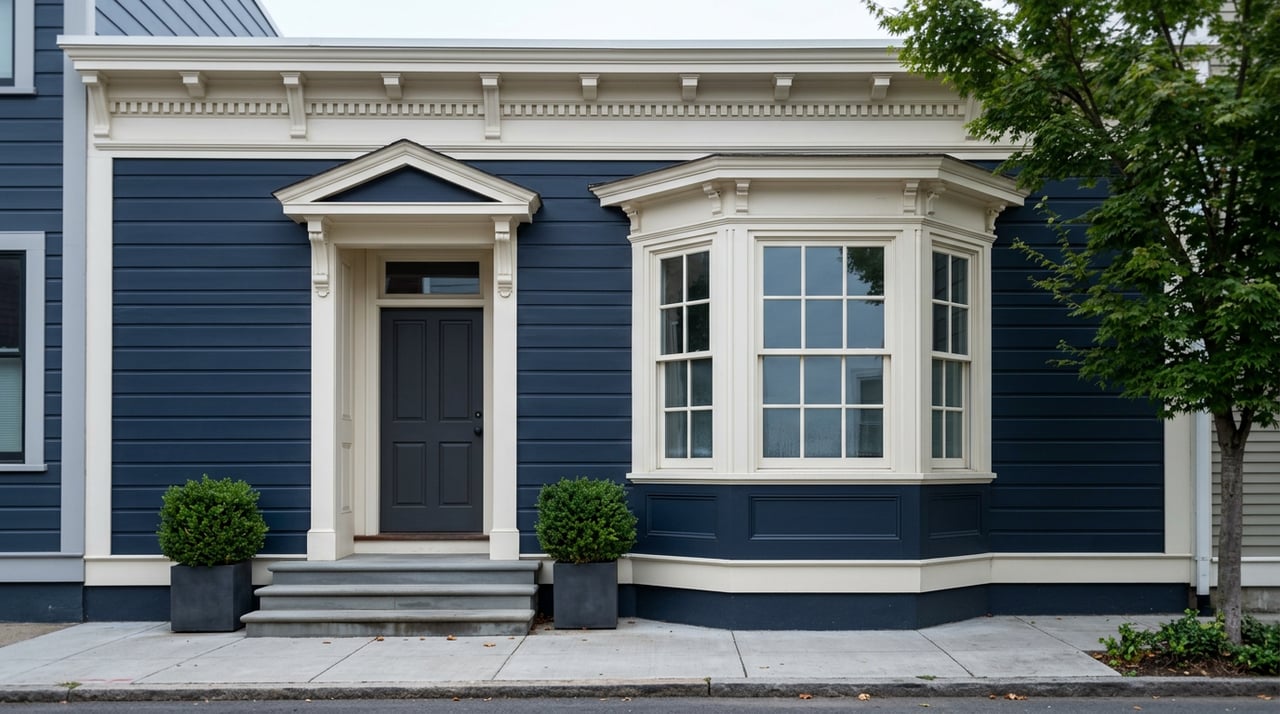
Much of NOPA’s housing stock is older and smaller in scale. San Francisco Planning materials describe buildings along Divisadero that are often two to four stories, with residential units above street-level commercial space, while nearby residential blocks include one- to three-story Victorian and Edwardian houses and flats, along with some apartment buildings and modern infill.
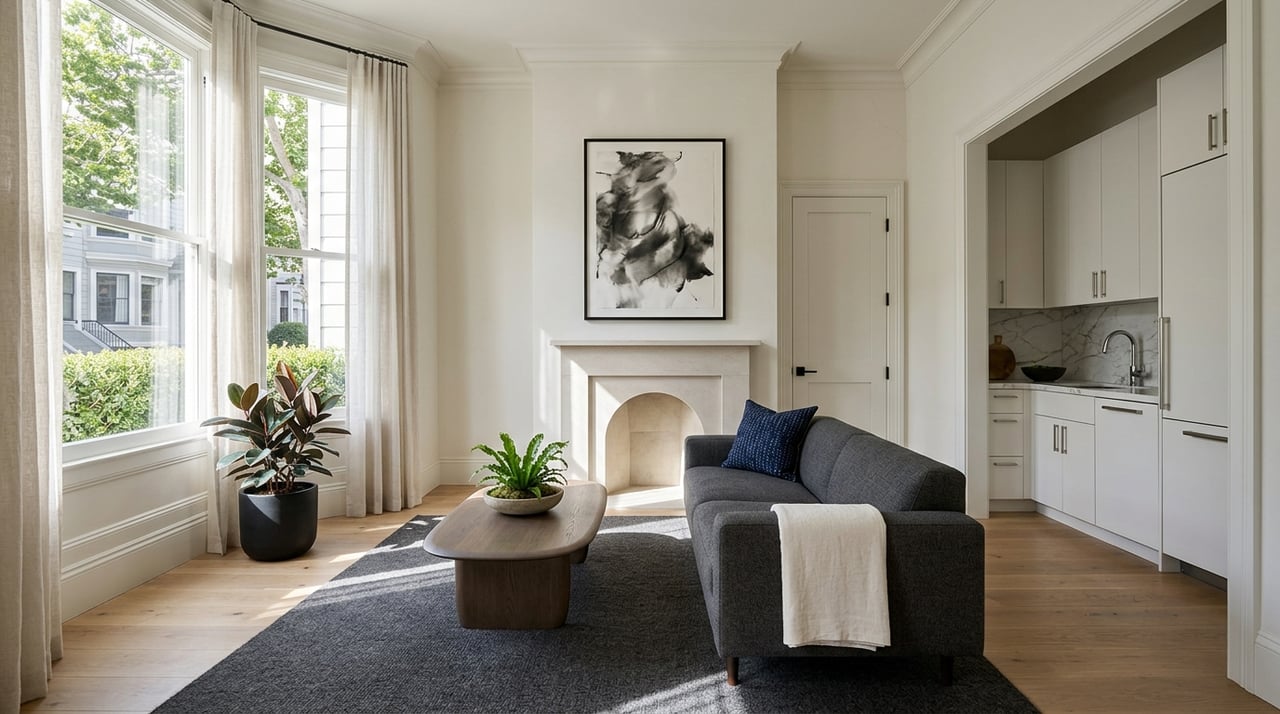
That usually means your search may include classic flats, converted units, and condos in character-rich buildings rather than tower-style residences. If you like original details, established streetscapes, and a more intimate building scale, NOPA can be a strong fit.
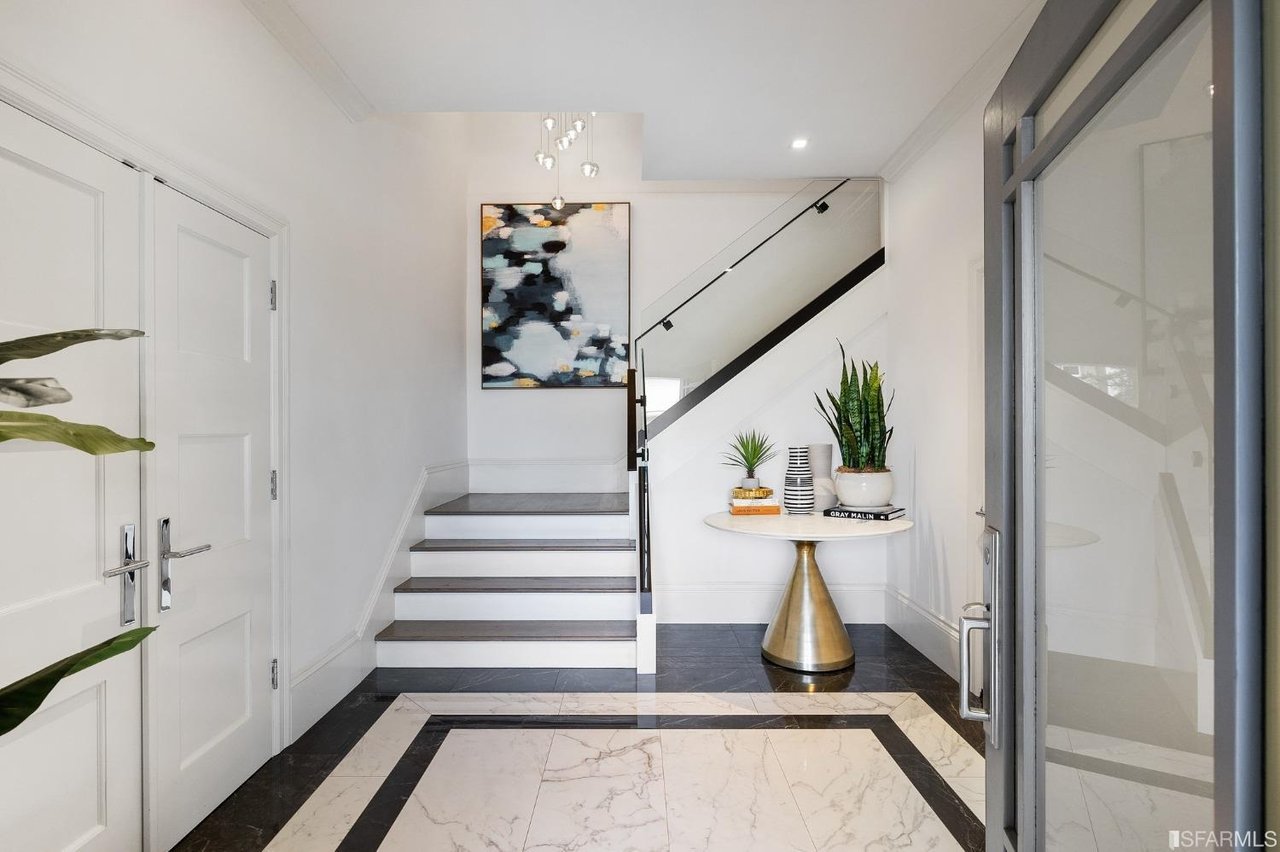
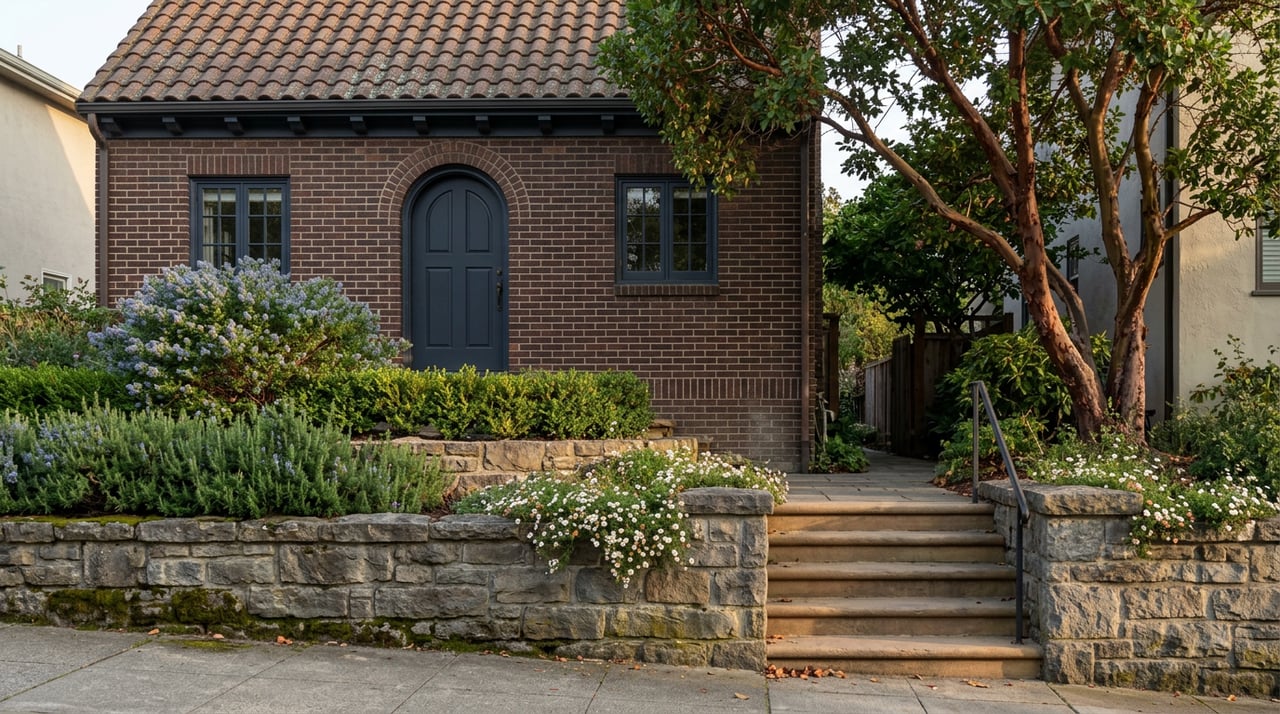
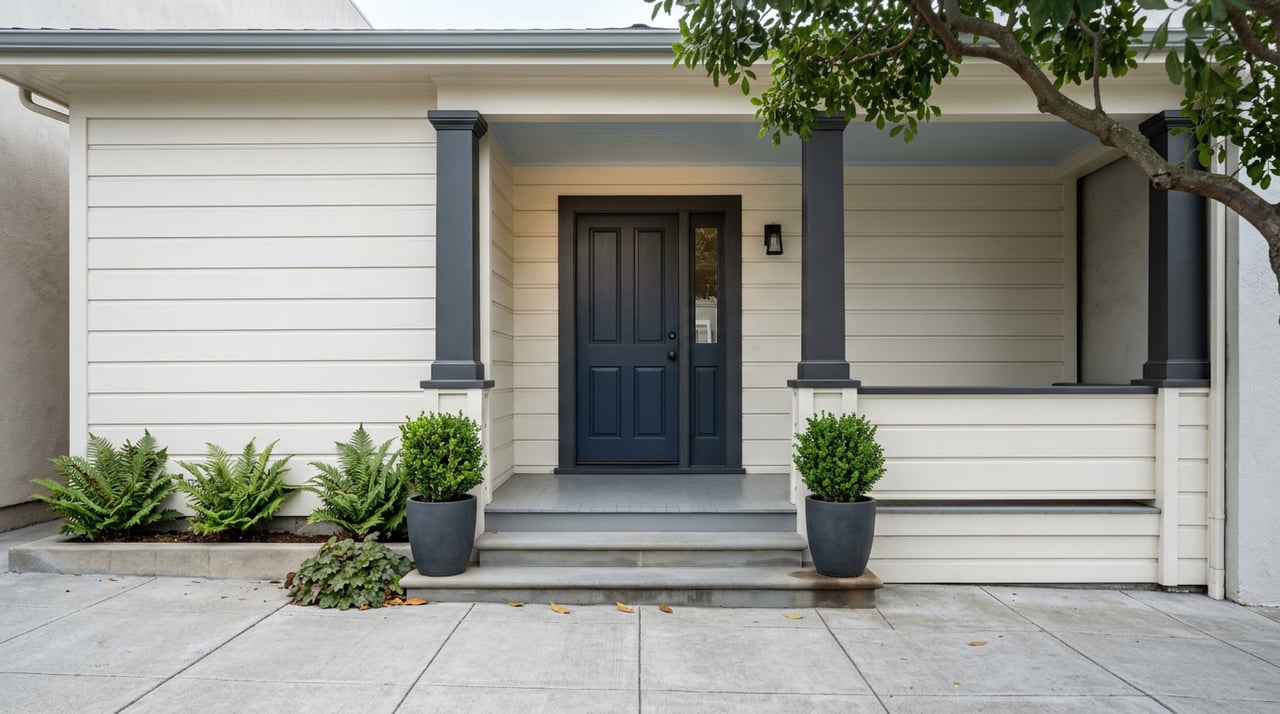
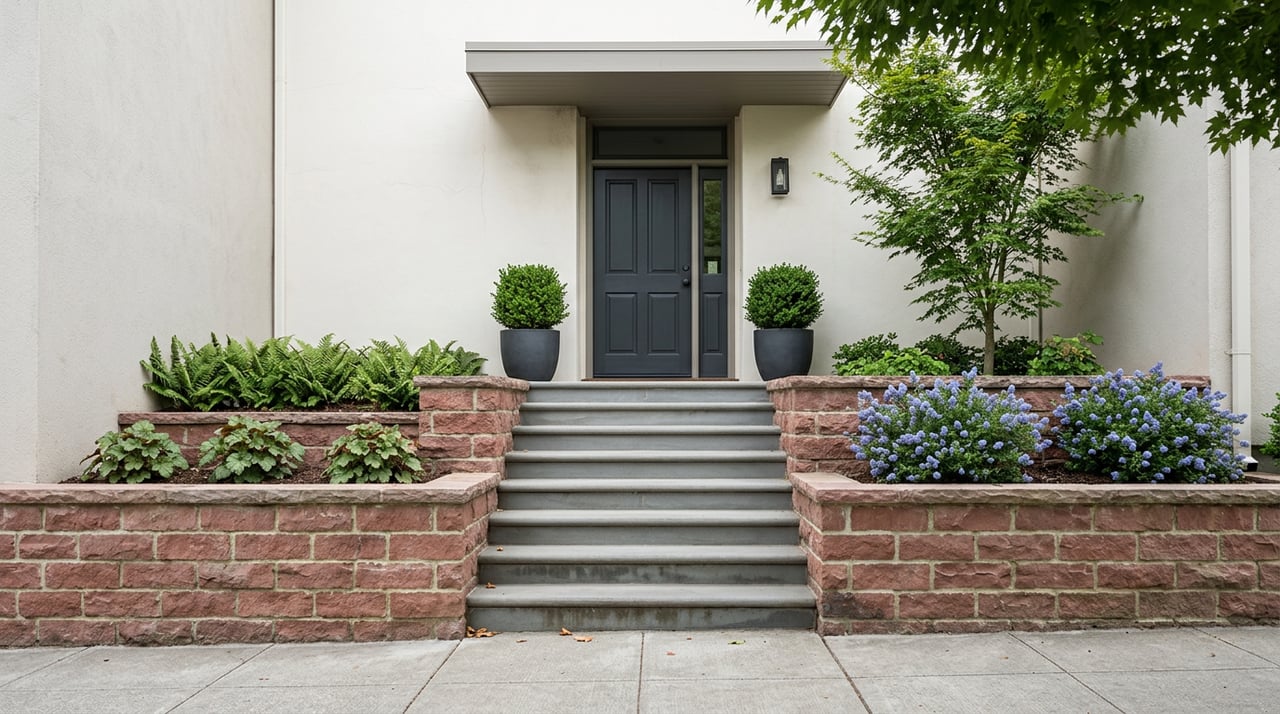
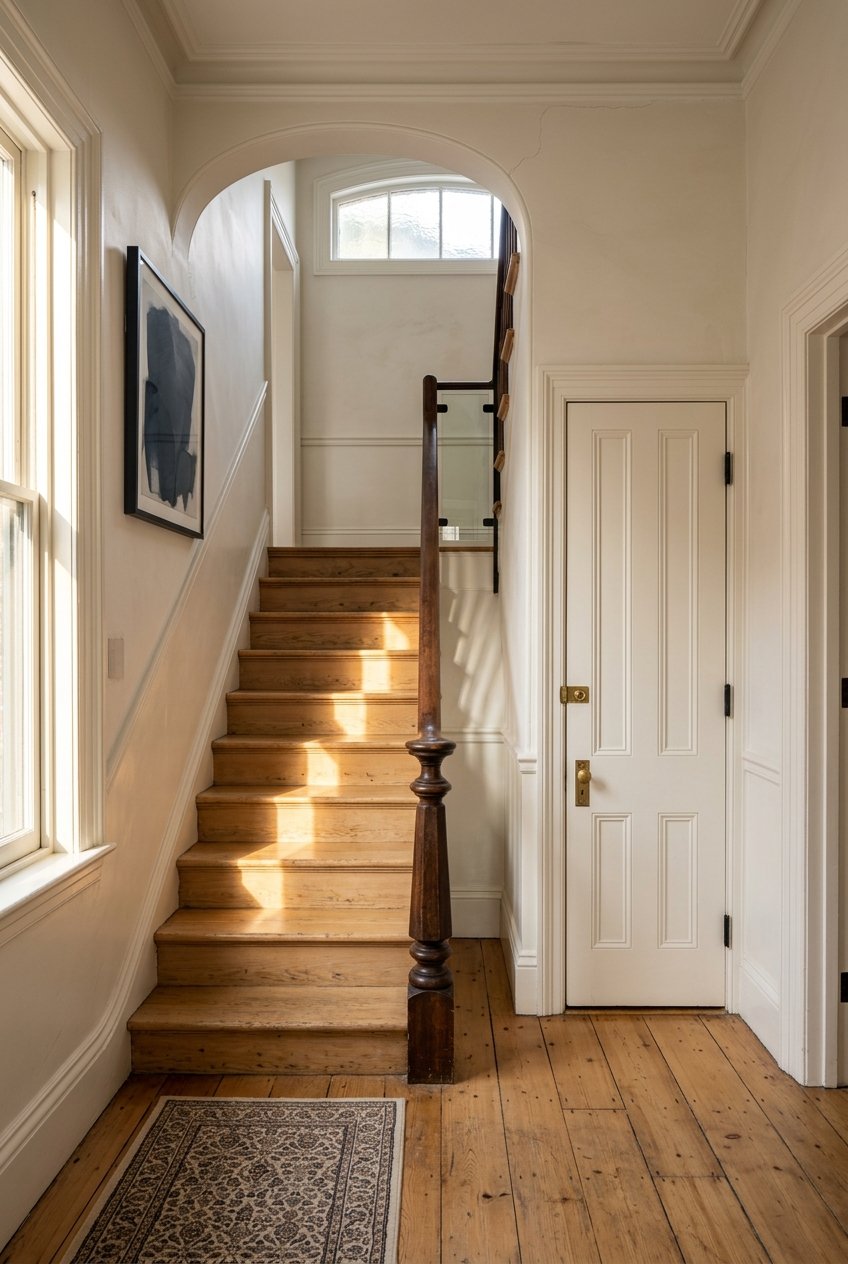
The neighborhood’s older residential fabric often includes narrow lots, bay-window facades, and stair-up entries. Some homes facing the Panhandle also have elevated entries. These details shape the look and feel of the area and can make homes here feel distinct from newer mid-rise product in other parts of the city.
For many buyers, that personality is part of the draw. You may be trading larger amenity packages for architectural character, a more traditional San Francisco streetscape, and a smaller urban footprint.
One of NOPA’s biggest lifestyle advantages is the concentration of food and drink options along and around Divisadero. Current neighborhood guides describe Divisadero as one of the city’s most dynamic restaurant corridors, with a dense mix of cafes, bakeries, bars, and restaurants.
Well-known neighborhood spots include The Mill for coffee and breakfast, Nopa for dinner, Eddie’s Cafe for diner-style breakfast, Nopalito for Mexican food, Hahdough and Sol Bakery for pastries, and Horsefeather for a casual meal or drinks. For you as a buyer, that creates an everyday rhythm that can feel easy and local rather than occasional and destination-based.
In practical terms, NOPA supports the kind of routine many city buyers want. You can picture a quick coffee stop in the morning, a bakery run on the weekend, and dinner or drinks a few blocks from home. That level of convenience is a meaningful part of what you are buying into.
If your ideal neighborhood lets you do more on foot and build regular habits close to home, NOPA checks that box well. The lifestyle here feels tied to repeatable, day-to-day use rather than just special occasions.
NOPA benefits from unusual access to green space for such a central location. The Panhandle is a three-quarters-of-a-mile-long, one-block-wide park that connects with Golden Gate Park to the west. According to San Francisco Recreation and Parks, it is open daily from 5 a.m. to midnight.
That gives you a ready-made outdoor outlet close to home. Whether you want a walk before work, a place to stretch out on the weekend, or a quick reset after a busy day, the Panhandle adds real value to neighborhood life.
Alamo Square Park is another nearby open-space draw. It is open daily from 5 a.m. to midnight and includes a playground, picnic areas, an off-leash dog area, tennis courts, and accessible entries at Hayes and Scott.
For condo and flat buyers, nearby parks can help offset smaller interior living space. When you live in a more compact home, having appealing outdoor options close by can make your routine feel bigger and more flexible.
Divisadero is recognized by San Francisco Planning as an important transit corridor, and several key Muni lines serve the area. SFMTA route information shows the 24 Divisadero, 6 Hayes/Parnassus, 43 Masonic, and 5 Fulton as part of the neighborhood network.
The 24 Divisadero runs 24 hours daily and serves Divisadero Street at Hayes and Geary. The 6 Hayes/Parnassus and 43 Masonic both run daily from 5 a.m. to 12 a.m. That gives you multiple ways to move through the city without relying on a single line.
For many buyers, NOPA’s mobility story is not about one perfect commute. It is about options. This route grid can make it easier to reach Civic Center, downtown, Golden Gate Park, the Presidio, Fort Mason, and western neighborhoods.
If you want a neighborhood where car-light living feels realistic, NOPA offers a strong case. The combination of walkability, nearby essentials, and several bus lines supports a flexible day-to-day setup.
NOPA can be especially appealing if you want a first home or city base that feels connected to neighborhood life. Buyers who value walkability, classic San Francisco architecture, nearby parks, and a lively food scene often find a lot to like here. The housing stock also tends to suit people who prefer charm and location over high-rise amenities.
At the same time, it helps to know what you are signing up for. Inventory is likely to be older, lower-rise, and varied in layout and condition. That can be a plus if you love character, but it also means each property should be evaluated on its own merits.
Because much of NOPA’s inventory is in older buildings, floor plans and entry conditions can vary quite a bit. As you tour homes, pay attention to how the layout fits your daily routine. A charming facade matters, but so does how the unit lives day to day.
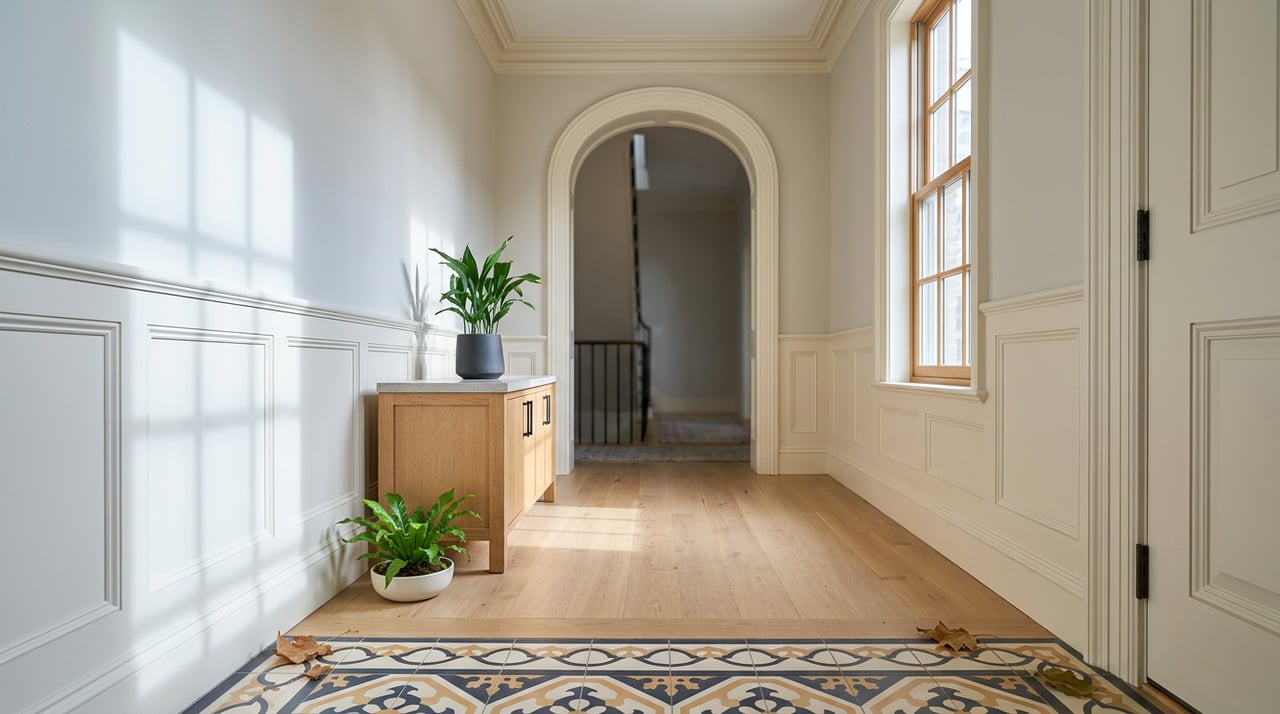
Think about stairs, storage, natural light, and how connected the home feels to the street. In a neighborhood with older housing stock, those practical details can shape your long-term comfort just as much as finishes do.
A great NOPA purchase is often about fit, not just features. Ask yourself how often you would use the Panhandle, how much you value being near Divisadero, and whether you want a quieter side street or more immediate access to commercial activity.
That kind of neighborhood matching is especially important for first-time buyers. In San Francisco, the right block and the right daily rhythm can matter as much as square footage.
In a micro-neighborhood like NOPA, small differences can shape your experience in a big way. Two homes may be close together on a map but offer very different street feel, transit convenience, and access to favorite daily stops. That is why neighborhood-level guidance matters when you are choosing between condos and flats.
A tailored search can help you narrow in on the kind of NOPA experience you actually want. Whether you are looking for classic architecture, better park access, or a more connected commute setup, clear local insight can make the process more efficient and a lot less overwhelming.
If you are thinking about buying in NOPA, Lucas Sorah can help you compare blocks, building styles, and lifestyle tradeoffs so you can move forward with confidence.
Stay up to date on the latest real estate trends.
He works tirelessly to ensure that each client, whether buying or selling, realizes the maximum value from their investment.