Alamo Square Historic Homes: A Buyer’s Guide
June 25, 2026
June 25, 2026
Dreaming of a classic San Francisco Victorian near Alamo Square? You are not alone. These homes can be stunning from the sidewalk, but buying one takes more than falling for ornate trim and a famous facade. If you want to understand what makes these properties special, what to inspect closely, and how historic rules can affect your plans, you are in the right place. Let’s dive in.
Alamo Square Landmark District covers 16 blocks and 281 parcels, and it is known for richly ornamented residential buildings from the Victorian and Edwardian eras. The district was designated in 1984, and its street-level identity is closely tied to decorative facades and projecting bay windows.
The best-known homes are the Painted Ladies on Steiner Street, built between 1892 and 1895 in the Queen Anne style. While not every home in the area looks exactly like those famous examples, many properties nearby share the same layered character that draws buyers to this part of San Francisco.
About half the district is Victorian, and roughly one-third is Edwardian. That means your search may include everything from highly decorative Queen Anne details to more restrained, classically influenced Edwardian facades.
If you are shopping for a historic Victorian near Alamo Square, expect visual drama on the exterior. Common features include asymmetrical facades, steep roof forms, towers or turrets, front gables, multiple roof lines, decorative shingles, spindlework, and prominent porches.
You may also see curved or rounded bay windows, fish-scale shingle siding, and ornate entry details. In this district, wood construction and detailed trim are common, especially around entries and cornices.
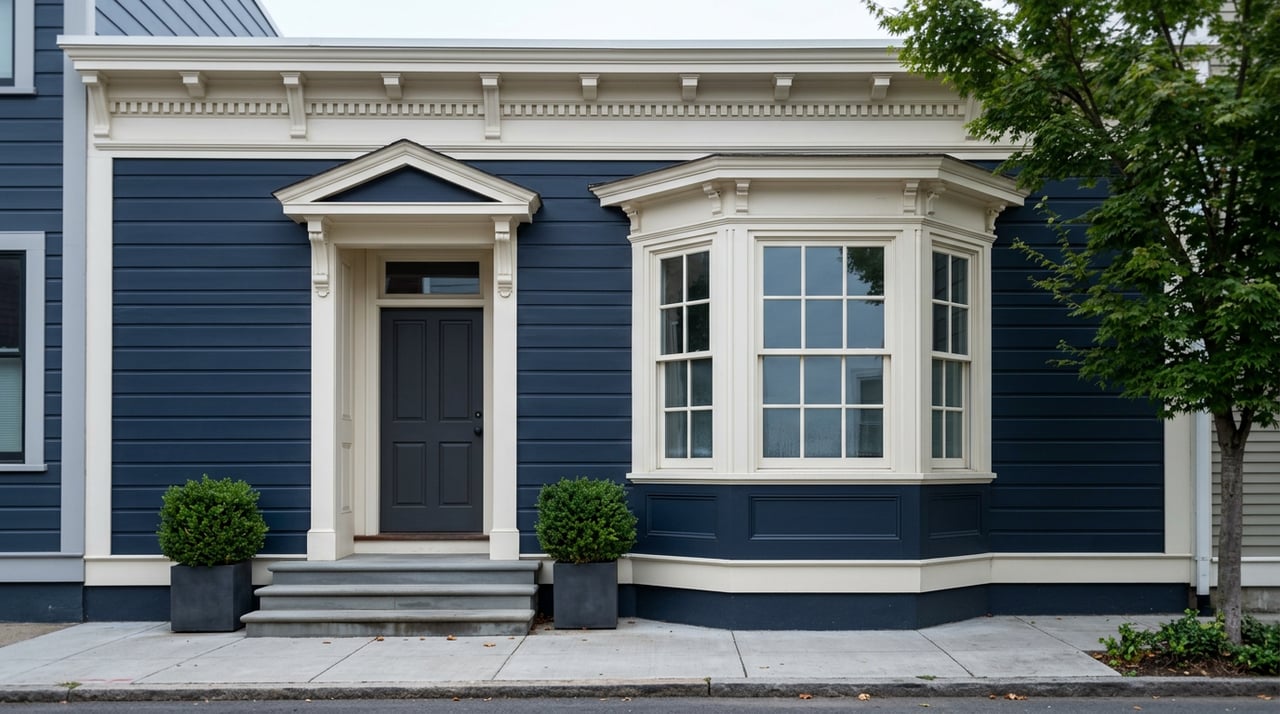
Some homes in the area are Edwardian rather than fully Victorian in style. These often feel a bit more restrained, with wide bay windows, flat roofs, projecting cornices, columned porch entries, recessed entrance doors, and applied plaster ornament.
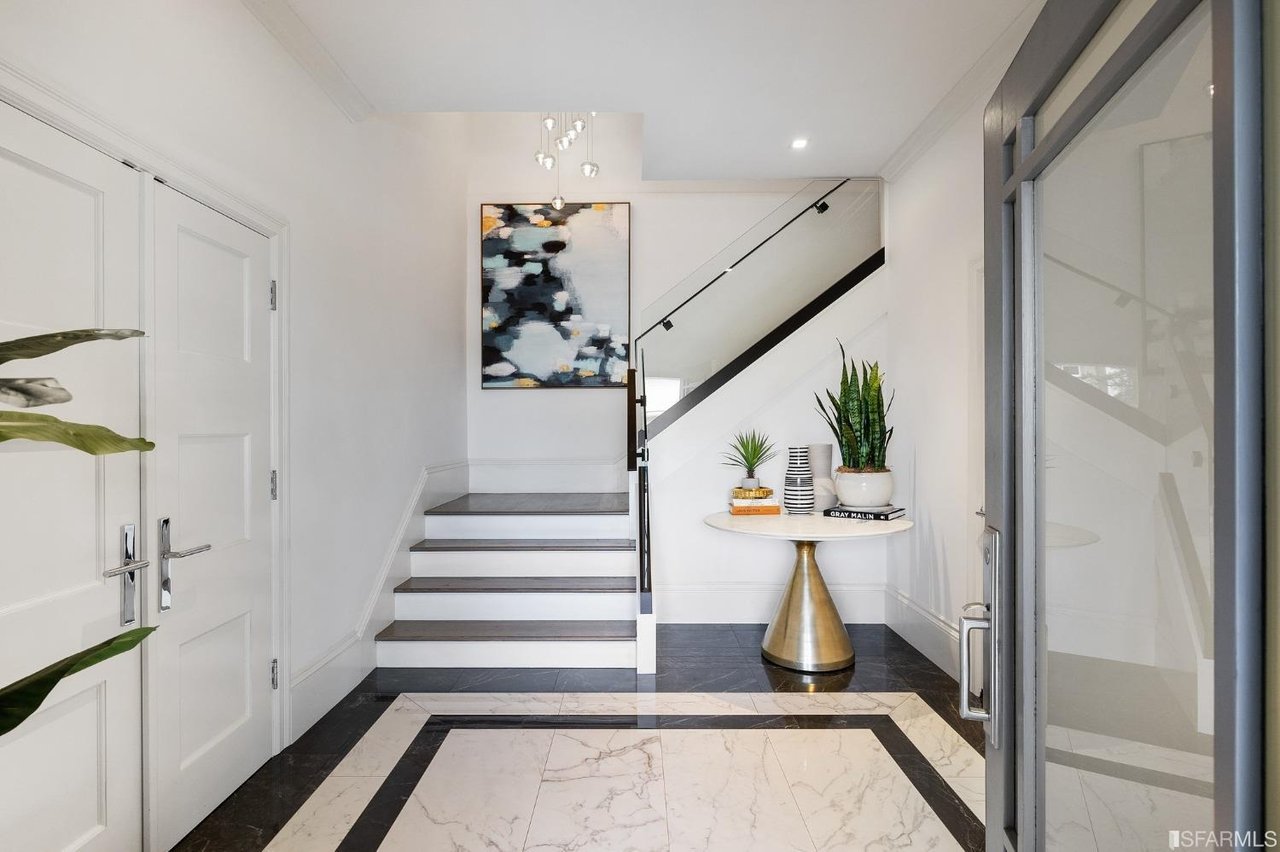
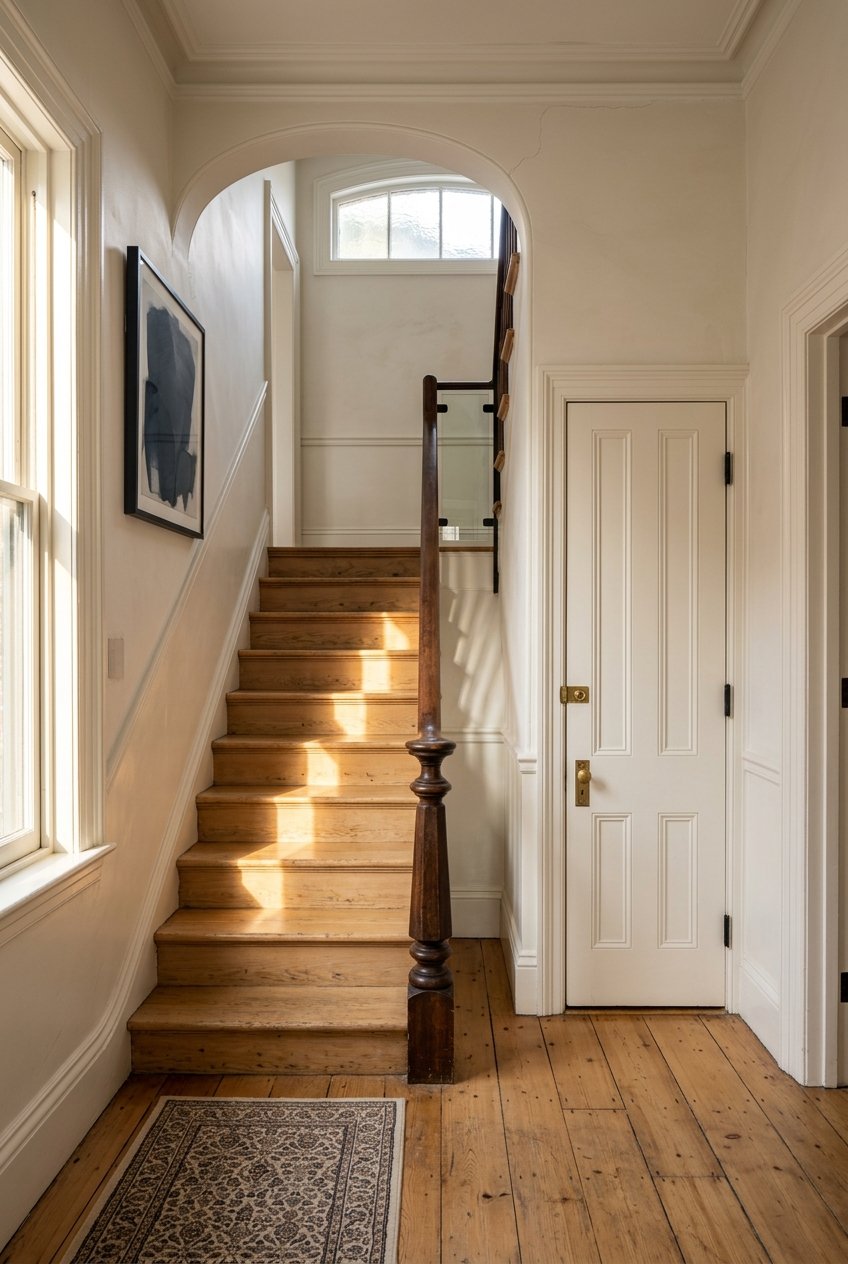
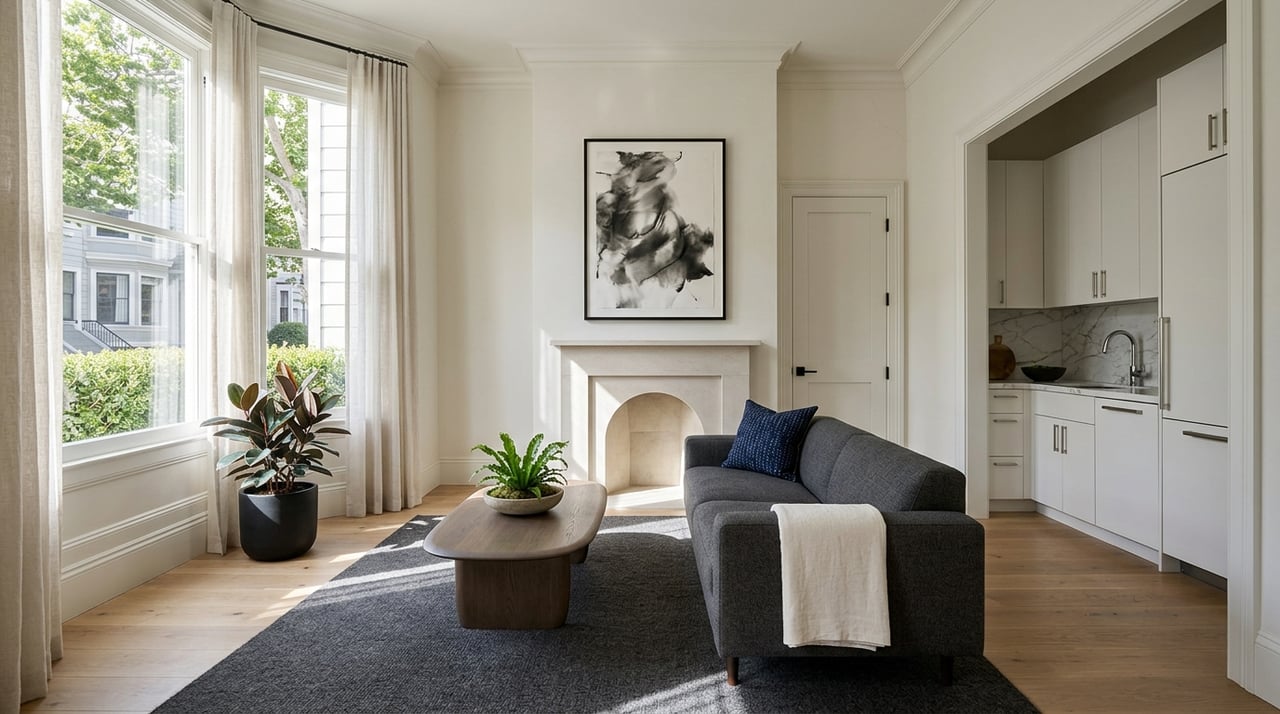
One of the most important things to understand is that the facade and the interior may tell very different stories. In Alamo Square, many residences kept their original exteriors while their interiors changed substantially over time.
Some homes were split into smaller apartments during the 20th century. Others may have seen stair changes, garage insertions, or layout rework that improved function but altered the original floor plan.
That means you should evaluate curb appeal and interior livability separately. A beautiful historic front does not automatically mean the home has original flow, updated systems, or an efficient layout for how you want to live.
When you buy an older Victorian or Edwardian, the smartest approach is to focus first on the issues that protect the structure. Cosmetic charm matters, but deferred maintenance can be expensive if you miss it.
Uncontrolled moisture is one of the biggest causes of deterioration in older and historic buildings. Pay close attention to the roof, flashing, gutters, downspouts, grading, and plantings near the foundation.
Look for signs that water has been lingering where it should not. Peeling paint down to bare wood can point to excessive moisture in the wood, and moisture around trim, siding, or porches can lead to decay and insect issues over time.
Original windows, trim, and porch ornament are often repairable, even when they look worn. Instead of assuming they need full replacement, evaluate whether they show rot, failing paint, missing sash parts, or poor prior repairs.
For many historic homes, repair and thoughtful upgrades can improve performance while preserving character. That can be especially important in a neighborhood where the street-facing facade carries so much architectural value.
In San Francisco, seismic retrofit status is a key issue for older homes. Some older houses may not be bolted to their foundations, and cripple walls may lack bracing.
Ask about foundation bolting, cripple-wall bracing, and any documentation of prior retrofit work. For a home of this age and style, this is not a minor detail. It is a core part of your due diligence.
If the home was built before 1978, lead-based paint is a real possibility. Federal lead law requires sellers of most pre-1978 housing to disclose known lead-based paint information and related records before contract signing.
In practical terms, that means you should review any disclosures carefully and compare them with the home’s visible condition and renovation history. The older the home, the more likely lead-based paint may be present somewhere in the structure.
Asbestos generally cannot be identified by sight alone. It becomes most important when you plan to open walls, remove materials, or take on a major remodel.
If renovation is part of your plan, bring in the right professionals early. That is especially true in a historic property where layered materials from different decades may be present.
A general home inspection is not the same as a wood-destroying organism inspection. In California, structural pest control includes inspections for wood-destroying pests and organisms, and many lenders require this inspection before financing.
For an older wood-framed home with decorative exterior details, this step matters. If a prior report is on file, compare it with the current condition and any repair records.
Buying in Alamo Square is not just about the house. It is also about the district context. Because Alamo Square is an Article 10 historic district, many exterior changes that require permits must go through historic review before a building permit is issued.
In some cases, visible-from-street changes may need review even if they would not otherwise require a permit. That makes it important to understand the home’s status before you start imagining new windows, facade work, or other exterior updates.
Properties in the district are rated as contributory, contributory-altered, or non-contributory. That classification can shape how future exterior work is reviewed and how much historic character the building is expected to retain.
If you are comparing two homes, this status may affect not just your renovation path, but also your timeline, design flexibility, and budget.
In Alamo Square, renovation potential is often strongest where later changes already exist. Planning records show a history of additions, garage insertions, stair reconfigurations, and window changes in the district.
That can create opportunity. A home that has already absorbed substantial modifications may offer more practical room for improvement than one with a highly intact primary facade.
For many historic homes here, the street-facing facade is the most important architectural feature. If a facade was altered in the past, restoration based on historic photos and surviving details may improve the building’s architectural value and its relationship to surrounding homes.
The key is accuracy. Historic restoration should rely on documentation rather than guesswork.
The highest-value improvements are not always the flashiest ones. In a house like this, envelope and systems work often matter more than dramatic changes to the front exterior.
Low-impact upgrades such as caulking, weather-stripping, repairing windows and doors, and improving HVAC efficiency can support comfort while minimizing impact on historic materials. In many cases, preserving and upgrading original components is a smarter path than replacing them.
This is also a neighborhood where recurring maintenance should be part of your ownership mindset. Paint, trim repair, roof upkeep, drainage, and periodic pest or moisture follow-up are often ongoing costs in a wood-heavy historic property.
Before you move forward on a Victorian near Alamo Square, keep this checklist in mind:
A historic Victorian near Alamo Square can be an extraordinary home purchase. You get architecture, neighborhood identity, and the kind of visual character that is hard to replicate today.
At the same time, these homes reward careful buyers. When you understand the district, inspect the right things, and plan around historic review from the start, you can make a more confident decision and avoid expensive surprises.
If you are considering a historic home in Alamo Square or anywhere in San Francisco, Lucas Sorah can help you evaluate the tradeoffs, understand the property’s potential, and build a strategy that fits both your lifestyle and your long-term goals.
Stay up to date on the latest real estate trends.
He works tirelessly to ensure that each client, whether buying or selling, realizes the maximum value from their investment.