Are Dogpatch Waterfront Condos Right for San Francisco Living?
June 11, 2026
June 11, 2026
Wondering whether Dogpatch feels more like an old San Francisco neighborhood, a waterfront district, or a loft-filled design pocket? The answer is a bit of all three, which is exactly why so many buyers keep it on their shortlist. If you are looking for a neighborhood with architectural character, outdoor access, and transit options that can support a car-light routine, Dogpatch deserves a closer look. Let’s dive in.
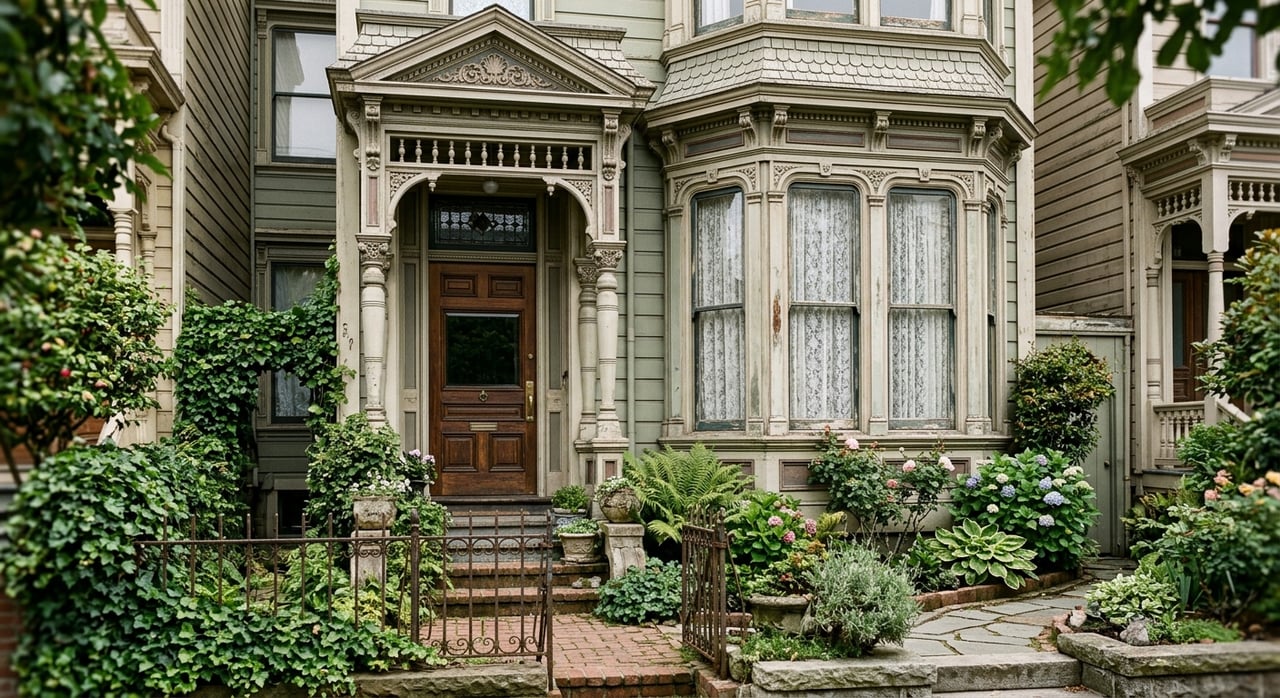
Dogpatch is one of San Francisco’s most historically legible neighborhoods, and that history still shapes how it feels today. The city-designated Dogpatch Historic District applies Article 10 protections to 104 historic resources across roughly nine blocks, helping preserve one of the city’s oldest concentrations of industrial workers’ housing.
At the same time, Dogpatch is not frozen in the past. City planning documents describe it as a mixed-use waterfront district, with 22nd Street serving as an important retail focus that links Caltrain to Third Street. That blend of preserved historic fabric and ongoing infill gives the neighborhood a layered, lived-in identity.
For many buyers, that is the appeal. You are not choosing between character and convenience. In Dogpatch, you can often find both in the same few blocks.
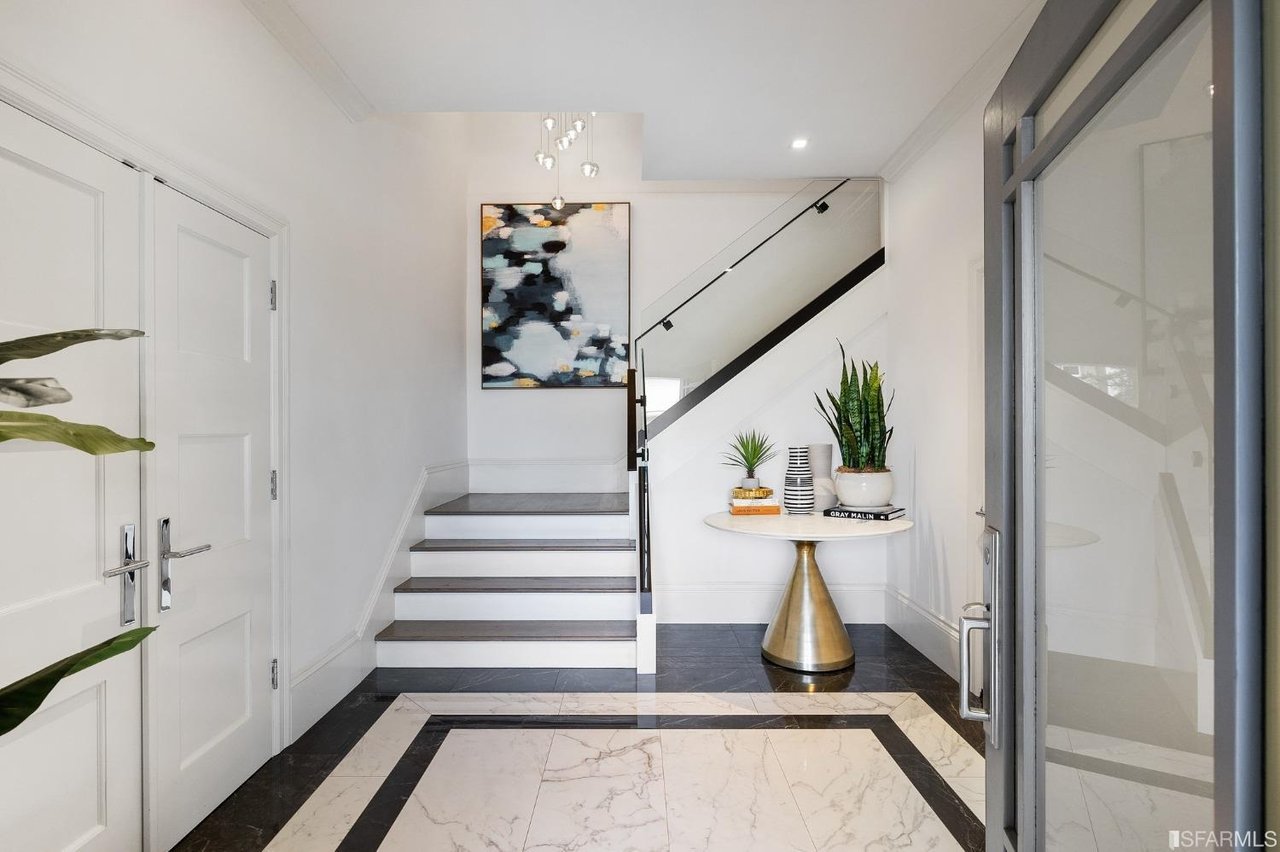
If you are trying to picture the housing stock, the simplest description is this: historic workers’ housing, adaptive-reuse lofts, condominiums, and newer multi-family homes near the waterfront edge. That variety gives Dogpatch a different feel from neighborhoods that lean heavily toward one housing type.
The Planning Department describes the neighborhood core as a small-scale residential enclave centered on Tennessee and Minnesota streets. In practical terms, that means some blocks still feel intimate and residential, even as the broader Central Waterfront continues to evolve around them.
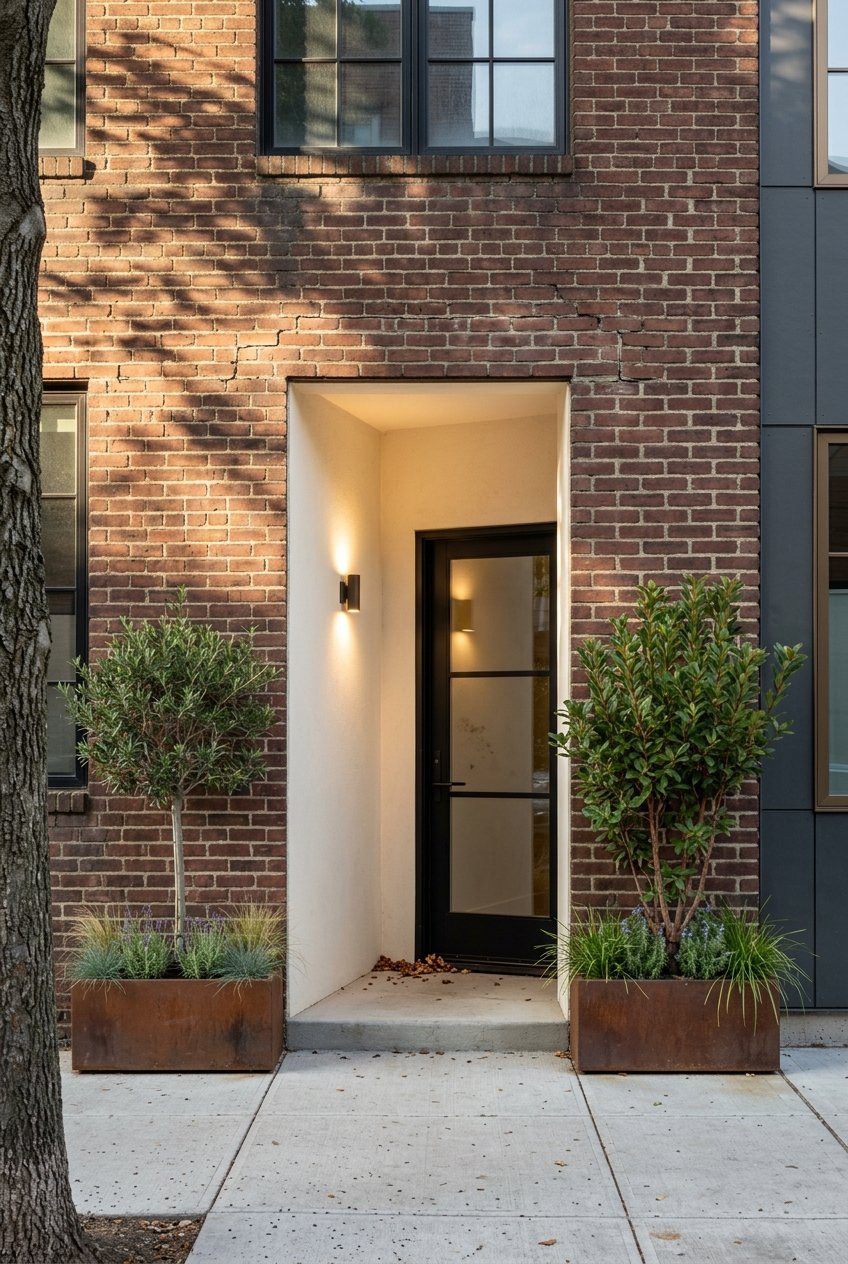
Dogpatch has a long-running adaptive-reuse story, which is a big part of its appeal for design-minded buyers. Planning materials describe Victorian houses standing beside repair facilities and artists’ lofts, and they point to nearby examples where historic industrial buildings have been repurposed into condominiums.
The same materials specifically reference Minnesota Lofts and support adaptive reuse as a guiding approach for Central Waterfront development. If you are drawn to exposed brick, industrial proportions, and homes with a little more visual texture than a typical newer condo, Dogpatch often delivers that style in a very San Francisco way.
Not every buyer wants a conversion loft. Some are looking for low-maintenance living, newer finishes, and a home base that feels connected to the shoreline and city transit. Dogpatch’s condominium options can fit that goal, especially around the neighborhood’s waterfront edge and adjacent mixed-use areas.
For first-time and move-up buyers, this can be an appealing middle ground. You may get a more lock-and-leave lifestyle while still living in a neighborhood with visible history, creative energy, and easy access to parks and transit.
Dogpatch works well for people who care about routine as much as real estate. It is the kind of neighborhood where your day can include a coffee stop, a quick walk to transit, a waterfront break, and dinner nearby without needing to cross the city.
San Francisco Travel highlights everyday dining options that support that rhythm. Local choices include coffee and breakfast spots such as CoffeeShop, Ikon Coffee, and Giuliana’s, along with casual places like Piccino and Souvla and evening destinations like Besharam, Dogpatch Saloon, Mission Rock Resort, Sea Star, SOHN, and Wolfsbane.
That mix matters because it helps Dogpatch feel practical, not just picturesque. The neighborhood supports everyday living, whether you are heading to work, meeting friends, or trying to keep weekends close to home.
One of Dogpatch’s strongest lifestyle features is how close you are to the bay. This is not just about views. It is about having outdoor space that is easy to use on a normal Tuesday, not only on a special occasion.
Crane Cove Park is the neighborhood’s signature waterfront amenity. The Port describes it as a seven-acre bayfront park at 18th and Illinois with beach access for kayaking, paddle boarding, and wading, plus picnic tables, grills, play areas, an off-leash dog run, and a lookout deck.
The park continues to evolve as well. In December 2025, the Port added two child play areas and a new dog run, and it notes that the Dogpatch YMCA and Dogpatch Paddle & Kayak operate on site.
For buyers who want their neighborhood to extend beyond the walls of their home, Crane Cove is a meaningful asset. It gives Dogpatch a true waterfront identity rather than just waterfront proximity.
Dogpatch also has quieter green spaces that make day-to-day life easier. Warm Water Cove, located at 24th Street in the industrial central waterfront, includes a paved path, trees, benches, and picnic tables, and the Port identifies it as part of the Blue Greenway.
Esprit Park offers a more tucked-in neighborhood feel, with outdoor fitness equipment, benches, redwoods, and picnic tables. Together, these spaces help support the kind of daily outdoor routine that many city buyers want, especially if you value dog walks, shoreline air, or a quick break outside between work and home.
For a waterfront neighborhood, Dogpatch is notably transit-friendly. San Francisco Travel describes it as entirely flat and easily accessible by public transit, with most places reachable via the Muni T line.
Current SFMTA service data shows the 55 Dogpatch runs daily from 5 a.m. to 10 p.m., with 20-minute weekday and weekend service during morning, midday, and evening periods. The T Third Street line runs weekdays from 6 a.m. to midnight and weekends from 8 a.m. to midnight, with 10-minute weekday and 12-minute weekend headways during much of the day.
Caltrain adds another layer of convenience. The 22nd Street station connects with Muni 55, 48, and T-Third service, and Caltrain lists frequent departures throughout the day.
Dogpatch will not be the perfect fit for every commute pattern, but it offers more flexibility than many buyers expect from a waterfront location. Planning documents also emphasize land use that supports transit use, walking, and biking.
If you are commuting toward SoMa, Mission Bay, downtown, or connecting farther south via Caltrain, Dogpatch can be a practical choice. For many buyers, that combination of shoreline atmosphere and useful transit access is hard to find elsewhere.
Dogpatch tends to attract buyers who want design, convenience, and neighborhood identity in one package. Based on the neighborhood’s preserved housing stock, adaptive-reuse buildings, newer mixed-use development, waterfront parks, and transit access, it reads as a strong fit for people who want character without taking on the upkeep of a larger home.
That often includes first-time buyers looking for a condo or loft with personality, as well as move-up buyers who still want low-maintenance living and a strong sense of place. The neighborhood’s scale also helps. Even as it grows, parts of Dogpatch still feel compact and approachable rather than oversized or anonymous.
One reason Dogpatch feels so interesting right now is that it is established but not static. The adjacent Pier 70 project is being built as a new mixed-use neighborhood in the Central Waterfront with 6.5 acres of parks, 1,100 to 2,150 residential units, historic rehabilitation, and arts space.
That nearby change helps explain why Dogpatch can feel both rooted and forward-looking. You have the historic core, existing local businesses, and long-standing housing fabric, but you are also in an area where the waterfront continues to be reimagined.
For buyers, that creates an important context. You are not just purchasing a home. You are choosing a neighborhood with a clear identity that still has momentum.
Dogpatch is worth a serious look if you want a San Francisco neighborhood that blends old industrial character, modern condo living, and daily access to the waterfront. It offers a housing mix that is hard to replicate, plus transit connections and outdoor spaces that can make city life feel easier and more enjoyable.
If you are comparing San Francisco neighborhoods and trying to narrow down the right fit for your lifestyle, commute, and budget, a hyper-local strategy makes a big difference. Lucas Sorah can help you evaluate Dogpatch block by block, compare condo and loft options, and find the neighborhood fit that makes sense for your next move.
Stay up to date on the latest real estate trends.

He works tirelessly to ensure that each client, whether buying or selling, realizes the maximum value from their investment.