Car-Light Living Around Duboce Park And The Wiggle
May 28, 2026
May 28, 2026
If you want San Francisco living without planning your day around a car, Duboce Triangle deserves a close look. This pocket of the city gives you a rare mix of transit access, bike-friendly streets, compact housing, and a true neighborhood park at the center of daily life. If you are trying to match your home search to a more walkable, bikeable routine, this guide will help you picture what living near Duboce Park and the Wiggle can actually feel like. Let’s dive in.
Duboce Triangle sits within San Francisco Planning’s Market and Octavia area, a part of the city described as the place where downtown meets the streetcar suburbs. Planning also notes that the district’s boundaries were set around what is generally an easy walk from Market Street. That matters because it helps explain why the neighborhood still feels naturally connected to transit and daily errands.
This is not a neighborhood built around moving as many cars as possible. Historically, public transportation routes helped shape residential development here, and current city planning focuses on safer neighborhood movement rather than more car throughput. If you want a home base where driving can feel optional instead of necessary, that is a meaningful starting point.
For many people, the Wiggle is the headline feature. SFMTA says it has long been known as a bicycle route, and the official route remains the same even after upgrades like bulb-outs, raised crosswalks, green paint, a bike signal at Oak and Scott, and green-backed sharrows at Church and Duboce. The city also describes it as the flattest route through the Lower Haight.
That combination makes a practical difference in everyday life. A bike route is one thing on a map, but a route that is already established, recognized, and improved for safer travel can make short trips feel much more realistic. If you are commuting, meeting friends, or just running neighborhood errands, that ease adds up.
There is also a broader street-safety conversation happening nearby. SFMTA says Noe Street from Duboce Avenue to Beaver Street was approved as a Slow Street in 2022, and the current Duboce Triangle planning study is looking at safer, more comfortable ways to move through the neighborhood while reducing cut-through driving. For buyers who value a calmer street experience, that is worth noting.
A big reason car-light living works here is that you are not relying on one single option. Instead, you have rail, bus, and bike access working together. That gives you flexibility when your schedule changes or when one route fits better than another.
The J Church is one of the strongest nearby transit anchors. SFMTA shows the line running from Embarcadero Station through Duboce and Church to Balboa Park Station. That gives residents a direct rail connection between downtown and the south side of San Francisco.
For a buyer, this means the neighborhood is not just pleasant, it is functional. You can picture a routine that connects home to work, appointments, or other parts of the city without needing to get behind the wheel.
The N Judah adds another valuable layer. SFMTA lists a stop at Duboce Ave & Church St and shows the route connecting Ocean Beach, the west side, Duboce, Market Street subway access, and Caltrain at 4th and King. That gives you another way to move across the city and reach a major regional rail connection.
Having more than one rail choice nearby can make daily planning easier. If you are comparing neighborhoods, that kind of network overlap is one of the details that often turns convenience into long-term livability.
Cross-town bus service matters too, especially if your routine does not follow a straight downtown commute. The 22 Fillmore includes Church St & Duboce Ave, putting an important bus route close to the neighborhood core. SFMTA also says transit-only lanes on Church Street between 16th Street and Duboce Avenue are meant to reduce delays and improve reliability for both the J Church and the 22 Fillmore.
That is an important point if you are trying to live with fewer car trips. A neighborhood works better car-light when different modes connect cleanly, and Duboce Triangle gives you that layered access.
If you are starting a home search in Duboce Triangle, the housing stock has a very specific San Francisco character. SF Planning says the neighborhood includes a mix of single- and multiple-family frame housing developed between the 1870s and early 1900s. It was largely built out by 1906, with later redevelopment of some underused corner lots into larger apartment buildings and more conversions during World War II.
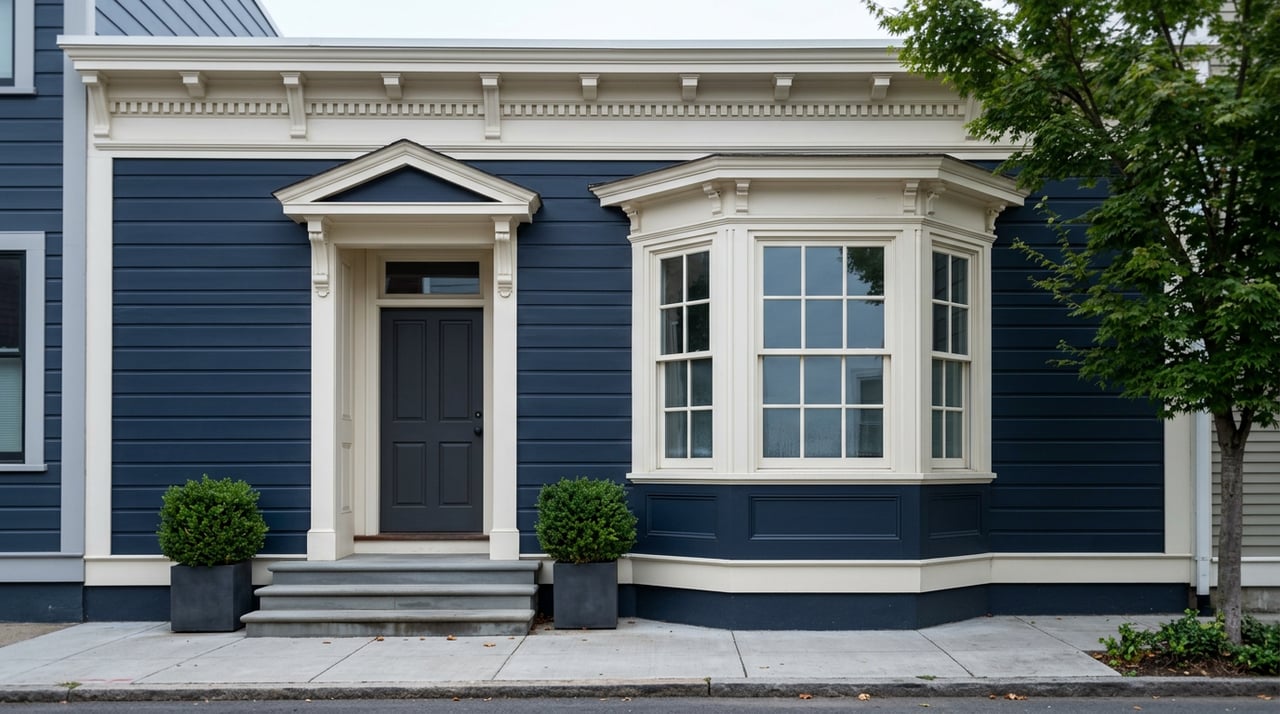
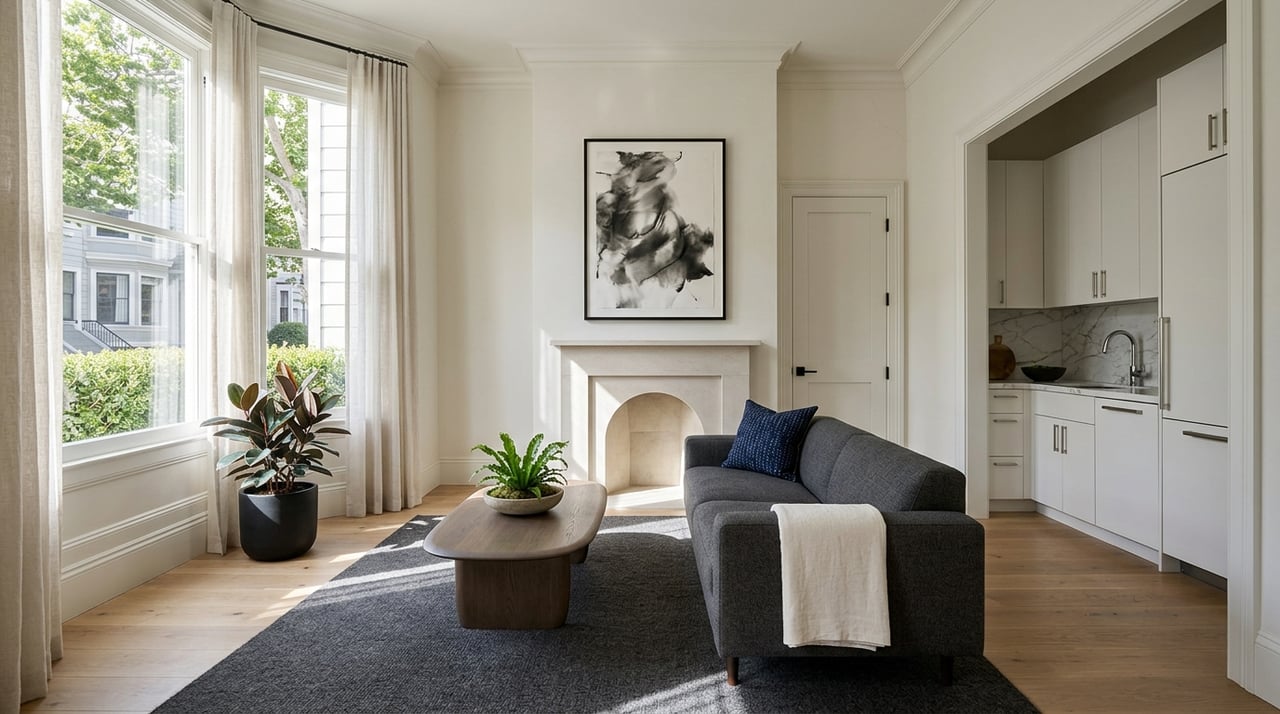
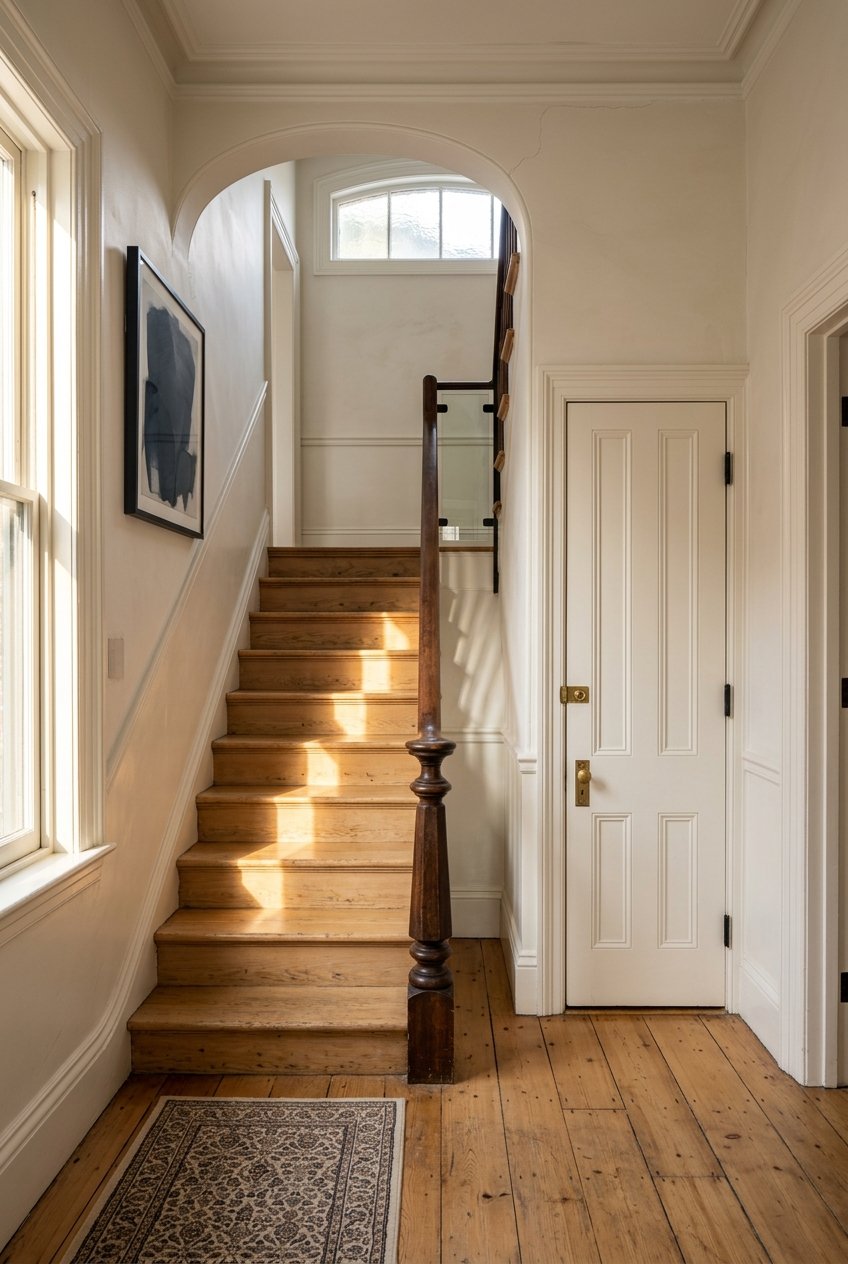
In simple terms, expect older flats, period houses, and small apartment buildings rather than large modern complexes. This is one of the reasons the neighborhood appeals to buyers who want architectural character and a more established streetscape.
The Duboce Park Landmark District gives you a clearer picture of the area’s built environment. SF Planning says the district includes nearly 90 residential buildings plus the park itself, with most contributing buildings dating from 1899 to about 1905. It describes the streetscape as remarkably uniform, with Victorian- and Edwardian-era houses and flats of similar design and proportion.
The broader Market and Octavia historic context adds that the area is overwhelmingly residential, with multiple-family dwellings as the most common building type, often in two- or three-story flats. Late Victorian and Edwardian wood-frame houses and flats are especially prominent.
The easiest shorthand is compact old San Francisco. Think narrow lots, bay-windowed flats, small apartment buildings, and a limited number of single-family homes still woven into the historic fabric. SF Planning notes that some 1870s-era single-family dwellings still survive here and in nearby areas, so while flats dominate, the housing mix is not one-note.
If you are choosing between neighborhoods, that housing pattern can help you narrow your search. Buyers looking for charm, transit access, and a dense but still residential feel often find Duboce Triangle especially compelling.
Duboce Park is more than just a patch of green on the map. SF Rec & Park says the park was established in 1900, later served as a tent city after the 1906 earthquake, and today includes an accessible children’s play area, off-leash dog area, outdoor basketball court, picnic area, playground, restrooms, and accessible parking and restroom access.
The department also notes the renovated Harvey Milk Recreational Arts Center and the Scott Street labyrinth nearby. Together, those amenities help the park function as a neighborhood anchor rather than a passive open space.
For day-to-day living, that can shape your routine in ways that matter. You can imagine morning dog walks, playground time, a quick picnic, or meeting neighbors in a small, easy-to-reach radius. In a car-light neighborhood, those close-at-hand public spaces often do a lot of the work that private space or driving might do elsewhere.
If you are wondering how people actually get around, the answer is usually a stack of options instead of a single perfect one. The Wiggle supports cycling. The J Church and N Judah provide rail connections. The 22 Fillmore adds another practical way to move across town.
That mix gives you room to build a routine that fits your life. Maybe you bike one day, take rail the next, and keep a car only for occasional trips. Maybe you are specifically searching for a home where daily needs feel close enough that driving fades into the background.
Duboce Triangle stands out because the pieces support each other. Transit, street design, housing scale, and park access all reinforce a lifestyle that can feel local, connected, and flexible.
If you are a buyer who cares about commute options, walkability, neighborhood character, and classic San Francisco housing, this area checks a lot of boxes. It can be especially appealing if you want to trade constant driving for a more layered routine built around transit, biking, and nearby public space.
It is also a neighborhood where block-by-block housing differences matter. A well-located condo, TIC, flat, or single-family home can offer a different balance of transit access, historic character, and day-to-day comfort. That is where local guidance becomes especially valuable.
If you want help finding the right fit in Duboce Triangle or comparing it with other San Francisco neighborhoods, Lucas Sorah can help you make a confident move with clear advice tailored to how you actually want to live.
Stay up to date on the latest real estate trends.
He works tirelessly to ensure that each client, whether buying or selling, realizes the maximum value from their investment.