First-Time Buyer Guide To Potrero Hill Condos And Lofts
March 5, 2026
March 5, 2026
If you love sunlight, skyline views, and quick access to SoMa and the Peninsula, Potrero Hill may already be on your short list. As a first-time buyer, you want the right mix of lifestyle, value, and clarity on what you’re really buying in a condo or loft. This guide breaks down what to expect in Potrero Hill, how HOAs and inspections work, and the smart steps that help you write a strong offer without taking on unnecessary risk. Let’s dive in.
Potrero Hill is widely known for its sunny exposures and hilltop outlooks, plus a quieter residential feel compared with many central neighborhoods. You will find a mix of classic homes near the crest and more loft-style and modern condo buildings closer to Dogpatch and the 3rd Street corridor. The lifestyle tradeoff is real: you often get more sun and views, with steeper streets and parking logistics to consider. The neighborhood’s character and climate are a major draw for many buyers who want light, outdoor spaces, and access to nearby job centers as covered by local reporting.
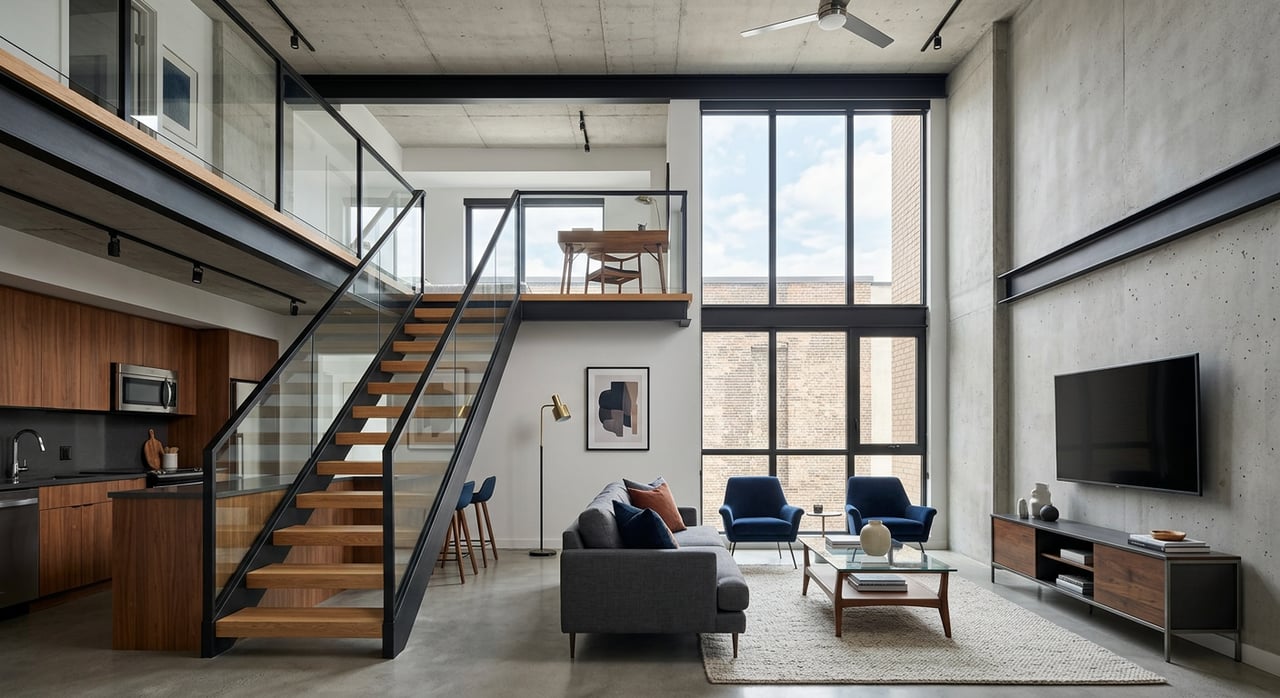
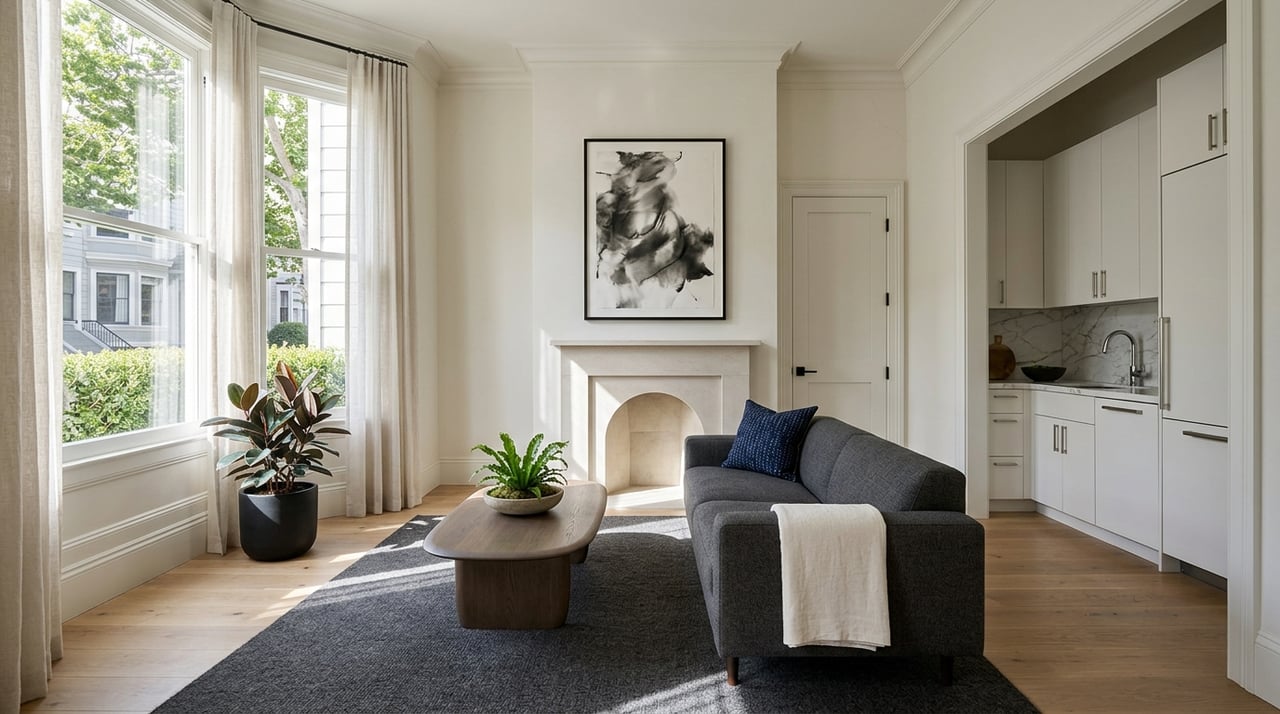
Lofts in and near Potrero Hill often sit in converted warehouses or contemporary low-rise buildings. Expect tall ceilings, large windows, open sightlines, and industrial-style finishes like exposed beams or concrete. Many lofts offer in-unit laundry and flexible layouts with a mezzanine or split-level sleeping area. These spaces highlight volume and light, so pay attention to window orientation, acoustic privacy, and HVAC access behind finishes when you tour.
Newer condo buildings on or near 18th and 20th Streets and along the Dogpatch edge tend to offer elevator access, assigned garage parking, roof decks, and shared courtyards. Larger developments may include fitness rooms or concierge-style services. Floorplans are typically more standardized, with one to two bedrooms and open kitchen-living areas. If parking and storage are priorities, confirm whether the unit includes a deeded space and a storage cage, since these details can affect daily convenience and pricing.
For first-time buyers, the common wish list includes in-unit washer and dryer, a workable open living space, and functional storage. One parking space is often included in resale condos, though you will see exceptions. If the unit has a balcony or rooftop access, inspect surfaces and railings carefully and note the association’s maintenance history. Light and views are signature features here, so consider how morning or afternoon sun impacts your daily routine.
Potrero Hill is known for being sunnier than many parts of San Francisco due to its elevation and position relative to the marine layer. That extra sun makes roof decks and patios more usable, and it supports indoor plants and afternoon light. Microclimates still vary block by block, so plan test visits at different times of day to see wind, fog, and glare in action. You want to experience the light you will actually live with.
Steep streets are part of the charm and the challenge. Walk the route from the building to shops, Muni stops, and your favorite cafes, and try it with groceries or a backpack to get a realistic feel. Guest parking and moving-day access can be tougher on sloped streets, so consider the garage layout, loading zones, and driveway angles. If you rely on street parking, visit in the evening to gauge availability.
Muni routes connect Potrero Hill to key job centers and nearby neighborhoods. You can use the 22 Fillmore to reach multiple cross-town destinations via the SFMTA route page. For Peninsula access, Caltrain’s 22nd Street station sits at the Dogpatch edge, which can be a game changer for South Bay commutes according to the station guide. Proximity to I-280 and US-101 also helps if you split time between the city and the Peninsula, but factor in traffic windows.
Neighborhood pricing varies month to month and by data provider. As a reference point, one January 2026 snapshot reported a Potrero Hill median sale price around $1.52M. Methodology differs across platforms, which is why you should get a current, property-specific analysis before you write. Inventory is limited in a small neighborhood, so a standout view unit can attract multiple offers in hotter weeks, while slower periods may open room to negotiate.
Most buyers in California use financing, appraisal, and inspection contingencies to keep an exit path if a loan condition, valuation, or inspection issue changes. You will also receive statutory seller disclosures like the Transfer Disclosure Statement and Natural Hazard Disclosure. In a condo purchase, the HOA document package adds another critical review step. Ask your agent to request the HOA resale documents early, since Davis–Stirling requires specific materials for resale packets outlined in Civil Code §4525 and sets a 10-day fulfillment window for requested documents under Civil Code §4530.
Competitive tactics like escalation clauses, higher deposits, or shortened timelines can help in certain markets, but they raise risk if you drop protections. A strong strategy balances your goals with a careful read of disclosures and building health. Work with your agent and lender to set the right pace and protection levels for the specific property.
The resale packet is your blueprint for building health and rules. Prioritize these items: the resale certificate or estoppel letter, CC&Rs and bylaws, current budget and latest reserve study, insurance declarations, the statement of assessments, the last 12 months of board meeting minutes, and any litigation disclosures. Davis–Stirling details which documents must be included in a resale, and having them in hand before you remove contingencies helps you avoid surprises see §4525 requirements.
Reserve studies estimate long-term repair needs and funding. If reserves look thin, or if minutes reference repeated special assessments or deferred maintenance, you may face higher costs after closing. HOA dues have been trending higher in many markets, so plan your monthly budget with some cushion for increases and maintenance needs as reported in a national HOA fee overview. Ask whether any large projects are coming and how the board plans to fund them.
California requires condominium associations to inspect a representative sample of balconies, decks, and other exterior elevated elements at least once every nine years. The first statewide deadline was January 1, 2025, and urgent issues must be reported and fixed on a safety timeline per Civil Code §5551. If your unit includes a balcony or roof deck, confirm whether the association has completed the SB 326 inspection and how they are addressing any findings. In San Francisco, qualifying wood-frame multi-unit buildings may also fall under the city’s soft-story retrofit program, so ask whether required permits and retrofits are complete per the city overview.
Standard homeowners policies do not cover earthquake damage. Many condo owners pair an HO-6 policy with earthquake coverage through the California Earthquake Authority or private carriers. Get quotes early so you can factor premiums and deductibles into your affordability plan using the state’s consumer guide. Ask your lender about any insurance requirements tied to your loan.
Down payment assistance can make a real difference in San Francisco. City and state programs, including the city’s DALP offerings, educator or first-responder initiatives, CalHFA options, and regional matching grants like WISH, are cyclical and have eligibility steps like counseling and income verification. Check current program status and timelines before you start touring so you can align your pre-approval and documents as outlined in city planning references. Work with a lender who knows San Francisco programs and timing, since some require reservations or fixed application windows.
Start in the main living area and note natural light, sightlines, and any glare during peak hours. In lofts, confirm access to mechanicals and evaluate sound travel between levels, since open volumes can carry noise. Run water fixtures to test pressure, listen for pump noise, and check HVAC registers for air movement. Step onto the balcony or roof area to look at surfaces and railings, and ask for any recent waterproofing or inspection reports.
If Potrero Hill checks your boxes, the next step is a tailored plan that pairs your budget with the right buildings, floorplans, and transit access. You will benefit from clear guidance on HOA health, inspection timing, and offer strength that matches your risk comfort. Connect with a citywide buyer’s agent who knows the micro-neighborhoods and the tradeoffs that matter. Book a free consultation with Lucas Sorah to map your path from first tour to keys in hand.
Stay up to date on the latest real estate trends.
He works tirelessly to ensure that each client, whether buying or selling, realizes the maximum value from their investment.