Buying A Condo In Mission Dolores: What To Expect
May 21, 2026
May 21, 2026
Wondering what it’s really like to buy a condo in Mission Dolores? You are not alone. This pocket of San Francisco draws buyers who want walkability, transit access, classic architecture, and a neighborhood feel that connects easily to several nearby areas. If you are considering a purchase here, it helps to know what the housing stock looks like, what condo documents can reveal, and which details can shape your ownership experience. Let’s dive in.
Mission Dolores offers a distinctive mix of history, convenience, and city energy. San Francisco Planning describes it as a compact area shaped by early residential growth and post-earthquake reconstruction, which helps explain its layered streetscape and varied building styles.
It also sits at the intersection of several well-known San Francisco micro-neighborhoods. That means your day-to-day experience may overlap with nearby areas like the Castro, Lower Haight, Noe Valley, and Upper Market, depending on where you buy.
For many buyers, the lifestyle appeal starts with location. Dolores Park is a major neighborhood anchor, and transit is a real advantage here, with the J Church line nearby and access to the 16th Street Mission BART station.
If you want a neighborhood where you can get around without relying heavily on a car, Mission Dolores often checks that box. The area is known for being transit-rich, and that can be a major benefit if your routine includes commuting across the city or beyond.
Commercial life is centered along Mission Street and Valencia Street. Mission Street is considered a main corridor, while Valencia is known for its mix of cafes, bars, clothing shops, and other neighborhood-serving businesses.
That mix creates a condo lifestyle that often feels plugged in and convenient. Depending on the exact block, you may be just a short distance from green space, local retail, and multiple transit options.
One of the biggest surprises for some buyers is that Mission Dolores is not a neighborhood of uniform condo towers. The housing stock is more varied and more architectural than that.
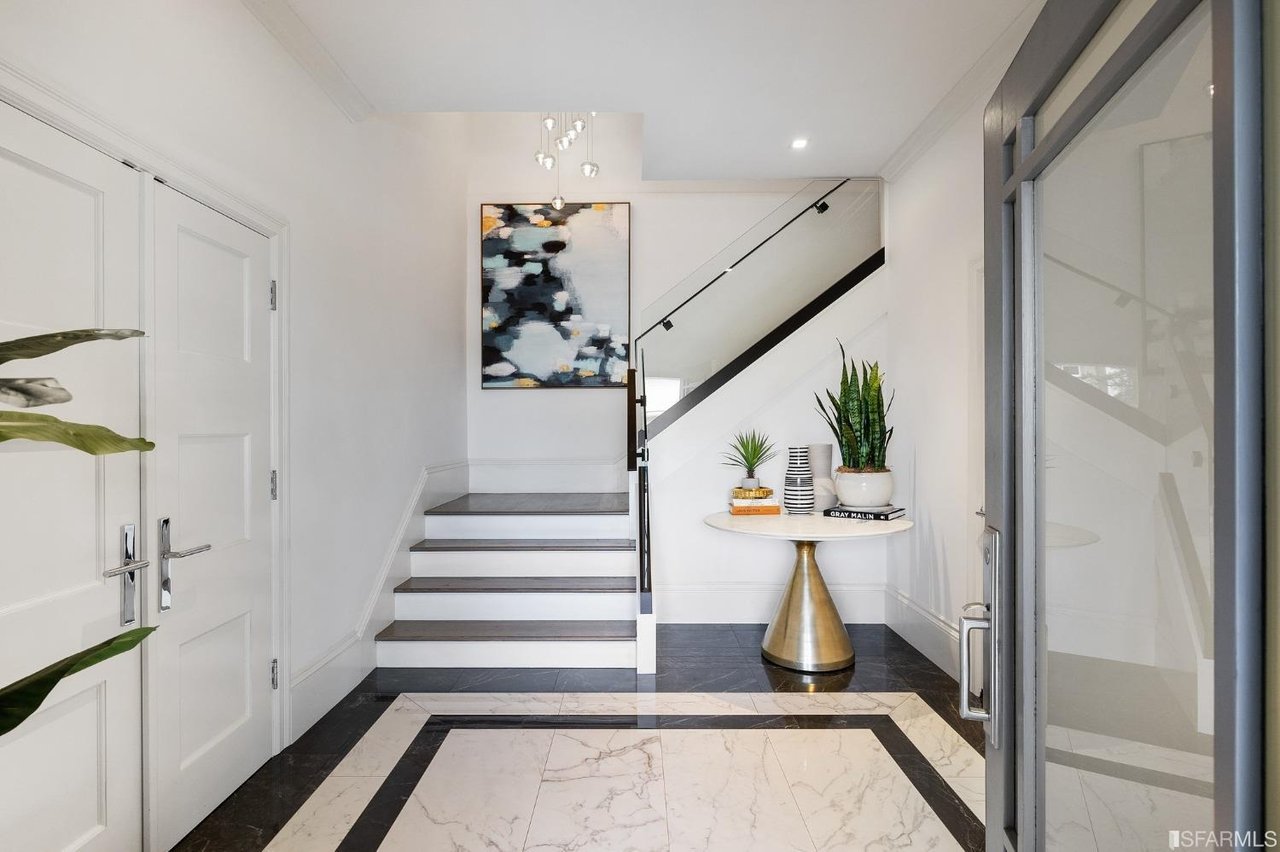
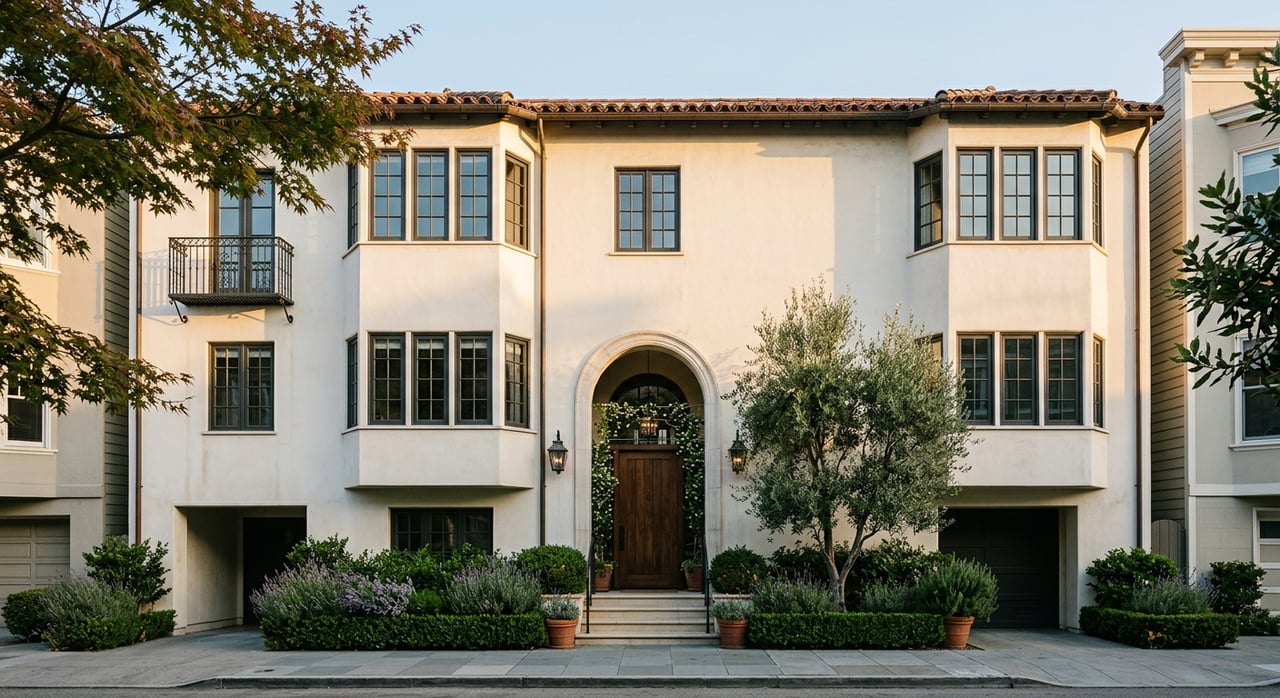
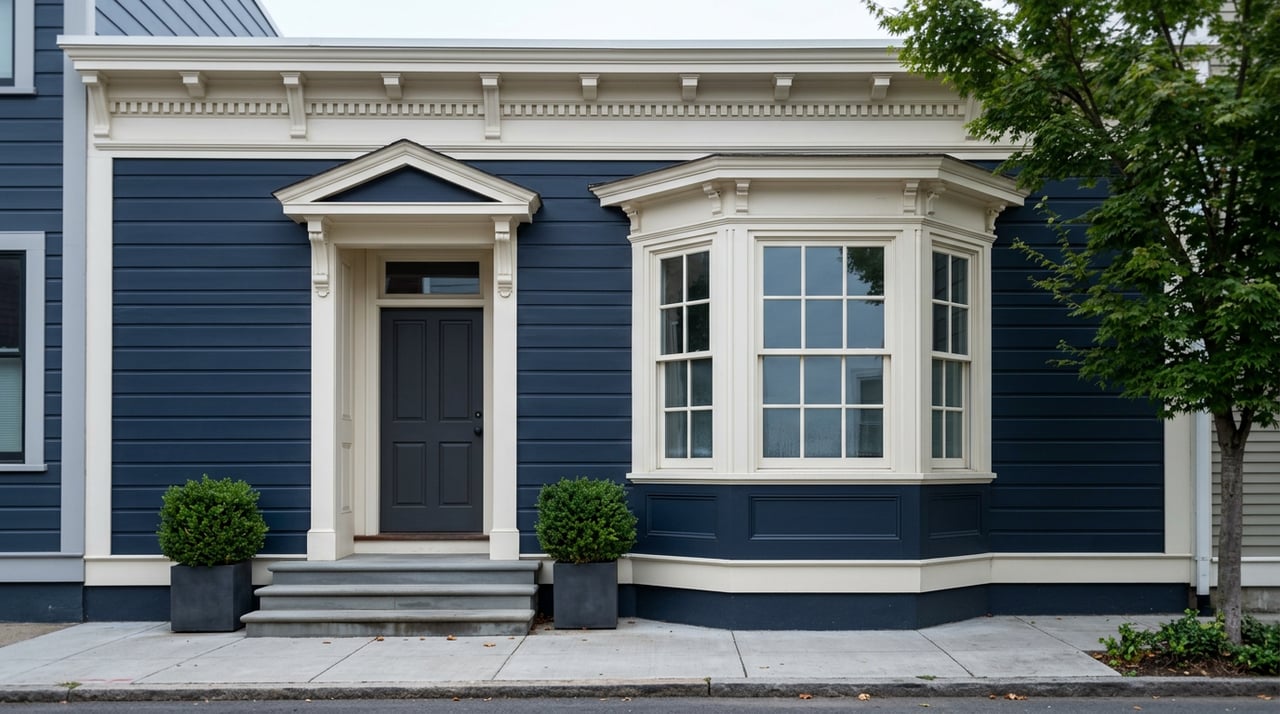
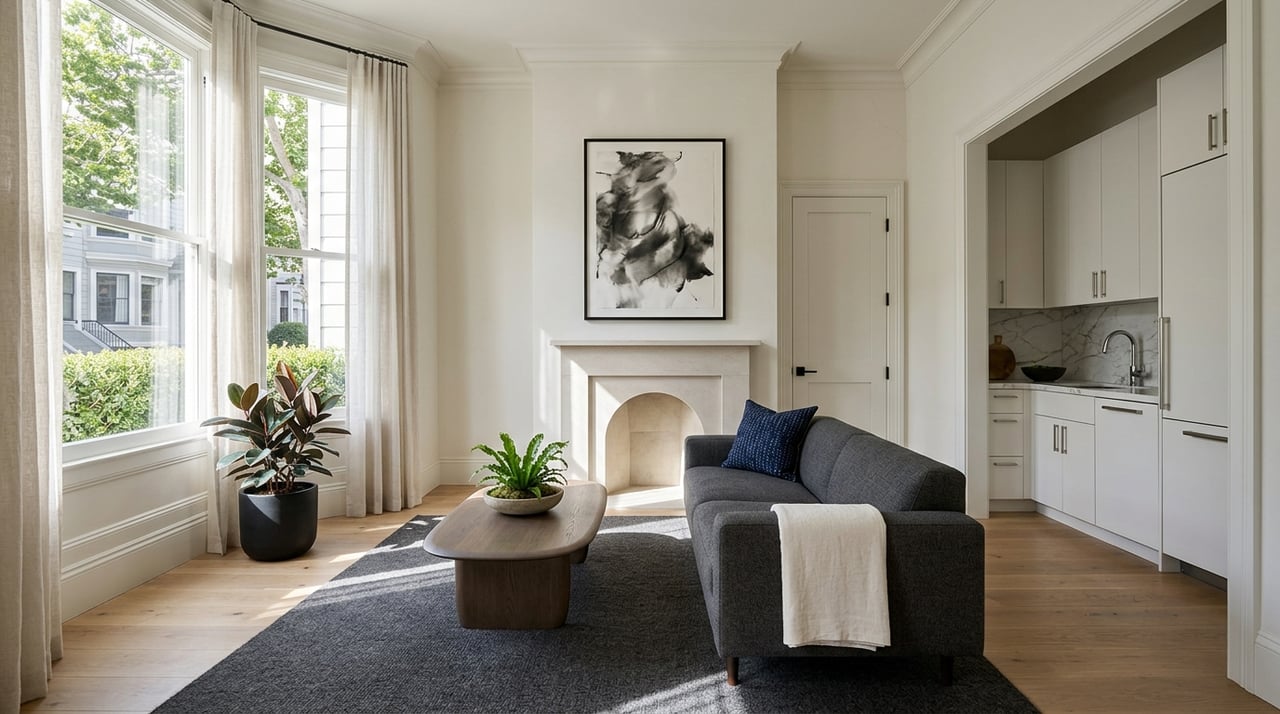
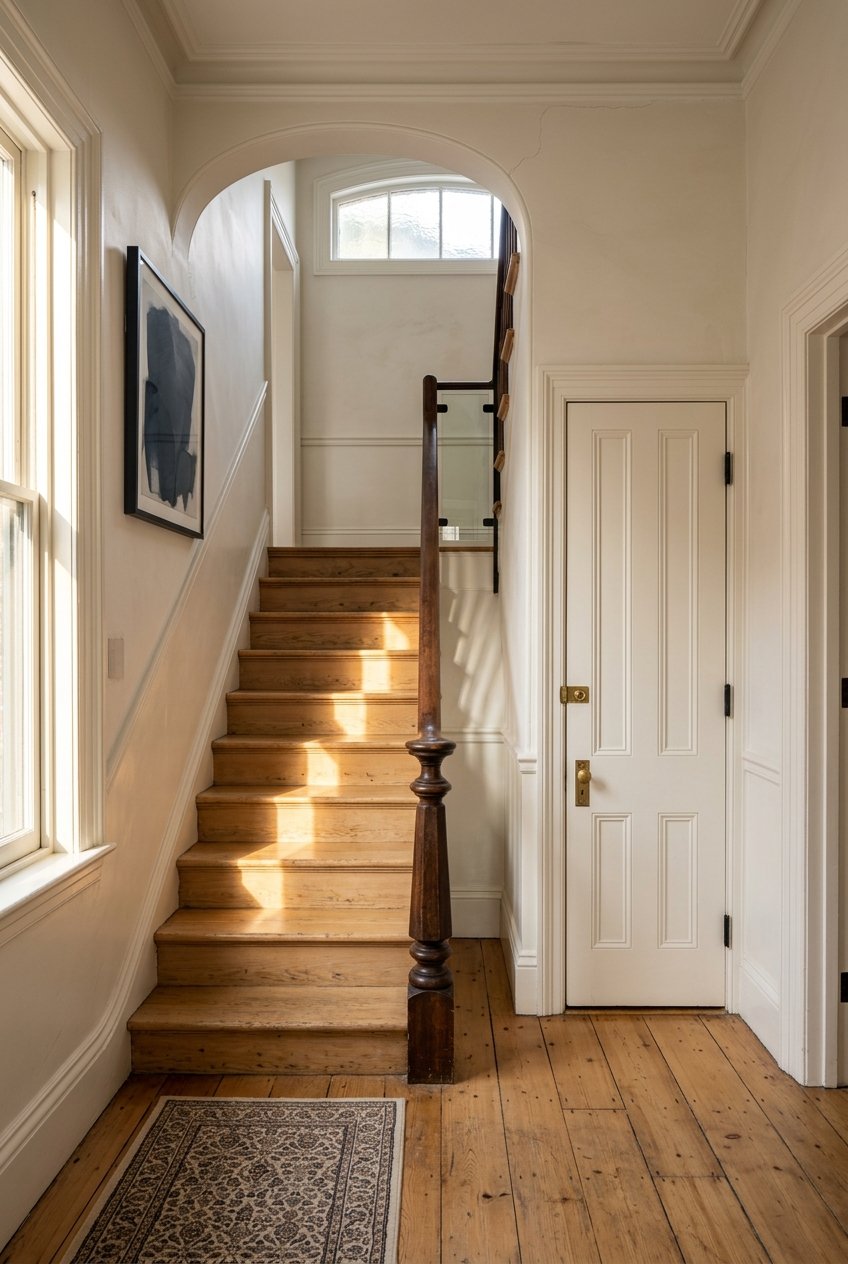
San Francisco Planning notes a mix of Victorian, Edwardian, Mission Revival, Classical Revival, and later Art Deco to Modern styles. In practical terms, that often means you will see converted flats, boutique multi-unit buildings, and older structures with updated interiors rather than large new high-rises.
Flats are the most common residential type in the neighborhood. These are generally two- to four-story buildings with one unit per floor, which can create a more intimate ownership experience than a larger building with extensive common amenities.
That older, more granular building pattern matters when you compare units. Two condos at a similar price point may offer very different tradeoffs in layout, storage, outdoor space, parking, and HOA structure.
In Mission Dolores, listing photos and marketing language only tell part of the story. With older buildings and smaller associations, the details behind the unit matter just as much as the finishes.
A key example is common-area ownership. The California Department of Real Estate explains that condo owners have an undivided interest in common area, while some spaces may be designated as exclusive-use common area, such as yards, driveways, or parking spaces.
That is why you should verify features like parking, storage, patios, balconies, and private outdoor areas in the deed and HOA documents. If something looks private in the listing, do not assume it is deeded to the unit.
When you buy a condo in Mission Dolores, HOA review is not just a formality. It is one of the most important parts of your diligence.
Under California Civil Code section 4525, sellers in a common interest development must provide a substantial set of documents. These can include governing documents, annual report materials, current assessments, unpaid charges, unresolved violation notices, defect information, changes in approved assessments not yet due, rental restrictions, requested board minutes, and the most recent exterior elevated elements inspection report.
That package gives you insight into how the building is run and whether there may be future costs or usage limits. In a neighborhood with many older buildings, this review can be especially important.
When you review the condo package, pay close attention to:
These items can help you understand not just the current cost of ownership, but also the building’s overall condition and financial planning.
HOA finances can have a big effect on affordability. The California Department of Real Estate notes that HOA operations are funded entirely by assessments, and those costs may rise over time, even when home prices are falling.
That is one reason condo buyers in San Francisco often look closely at dues, reserve funding, and the possibility of special assessments. A lower monthly HOA payment may look attractive at first, but it does not always mean the building is better prepared for repairs.
State-required annual budget reporting can also provide useful context. These materials include reserve information, insurance summaries, and an Assessment and Reserve Funding Disclosure Summary, which can help you gauge how the association is planning for future needs.
Mission Dolores has many buildings tied to earlier periods of San Francisco development, including post-1906 reconstruction. That history adds architectural character, but it can also mean you need to ask more questions about upkeep and repair planning.
Older condo buildings may have more maintenance variables than newer construction. That does not make them a poor fit, but it does make careful review more important before you write a strong offer.
In many cases, the right question is not simply whether a building is old. It is whether the association has documented its condition, planned for repairs, and communicated clearly with owners.
Balconies, decks, and similar exterior features deserve a closer look in any California condo purchase. Under California Civil Code section 5551, condominium associations must conduct a visual inspection of a statistically significant sample of exterior elevated elements at least once every nine years, with the first inspection due by January 1, 2025.
If an inspector identifies an immediate safety threat, the association must act right away to prevent access until repairs are inspected and approved. For buyers, that means these features are not just aesthetic perks. They can carry repair implications, access limitations, and budget consequences.
If a Mission Dolores condo includes a balcony or deck, review the inspection history, repair history, and reserve planning early. In an older building, this step is especially important.
In a condo purchase, your offer strategy often depends on diligence as much as price. Because the seller may provide governing documents, insurance information, board minutes, and inspection reports up front, you have an opportunity to spot issues before deciding how aggressive to be.
That means a strong offer is not always the one with the highest number. It is often the one built on a clear understanding of the HOA, the building condition, and any ownership restrictions tied to the unit.
Before you decide on terms, ask practical questions like these:
Some Mission Dolores condos may have city-level restrictions that affect ownership. According to SF.gov, condo conversion owners must comply with MOHCD resale procedures and other restrictions, and certain condo conversions from 1979 to 1988 required some units to be reserved as below-market-rate homes.
If a listing appears to be a condo conversion or a BMR unit, confirm the resale rules, owner-occupancy requirements, and any limits on renting or refinancing. These details can directly affect how you use the property and what your future options look like.
This is one area where local knowledge can make a big difference. Two condos may look similar online, but their ownership rules can be very different.
Buying a condo in Mission Dolores usually means balancing lifestyle and diligence. You may get classic architecture, strong neighborhood connectivity, and access to some of San Francisco’s most loved public spaces and commercial corridors.
At the same time, you should expect to spend real time reviewing the HOA package, clarifying what is deeded, and understanding the condition of an often older building. That work can help you move forward with more confidence and fewer surprises.
If you are comparing Mission Dolores with other San Francisco micro-neighborhoods, it helps to look beyond price and square footage. The real decision often comes down to building type, ownership structure, location within the neighborhood, and how well the condo fits your daily routine.
If you want help evaluating a condo in Mission Dolores or comparing it with other San Francisco neighborhoods, Lucas Sorah can help you build a smart, informed strategy.
Stay up to date on the latest real estate trends.
He works tirelessly to ensure that each client, whether buying or selling, realizes the maximum value from their investment.