Hayes Valley Living Guide for Design-Focused Buyers
March 24, 2026
March 24, 2026
Picture this: you grab a Ritual coffee, wander past a new outdoor art piece on Patricia’s Green, and step into a boutique where even the hangers feel curated. If you care about materials, light, and good lines, Hayes Valley speaks your language. This guide shows you how the neighborhood’s design roots shape daily life, what kinds of homes you’ll find, and the practical checks to make before you buy. Let’s dive in.
Hayes Valley’s current look grew from a bold planning move. After the northern Central Freeway came down, the city and neighbors created Octavia Boulevard and the green spine that anchors today’s retail corridor. The Hayes Valley Neighborhood Association’s history outlines how that shift opened land for people-first streets and new buildings that fit a walkable scale. You can trace that story in the HVNA history on Octavia and Market.
Public space is part of the brand here. Patricia’s Green functions like a small outdoor gallery, hosting rotating art and neighborhood events that encourage you to linger. Coverage of the park’s evolution captures how it became a pedestrian haven and a daily pause point for locals. See that context in reporting on Patricia’s Green as a permanent pedestrian space.
Pop-up culture also shaped the vibe. The PROXY block at Octavia uses shipping containers to house small food and retail concepts, a perfect match for design experimentation. It helped launch favorites like Smitten Ice Cream and brought a flexible, curated feel to the corridor. Read about the early PROXY activation in this background on Smitten’s debut.
Culture adds depth at the neighborhood’s edge. Concert nights at the SFJAZZ Center and the nearby Symphony, Opera, and Ballet send foot traffic into Hayes Street’s restaurants and cafés. That audience keeps a style-conscious energy in the area. Explore the venue and location details through SFJAZZ’s visitor page.
You can do a full day without getting in a car. Start at Patricia’s Green, browse design-focused boutiques along Hayes Street, and grab a scoop at Smitten or an espresso at Ritual. Classic spots like Absinthe Brasserie give you a sit-down option, while Biergarten and nearby eateries keep evenings lively.
The mix of independent shops and a few minimalist brands creates a polished yet eclectic look on every block. It feels like a street-length design showroom with rotating installations and pop-ups. That constant refresh is part of the fun when you live here.
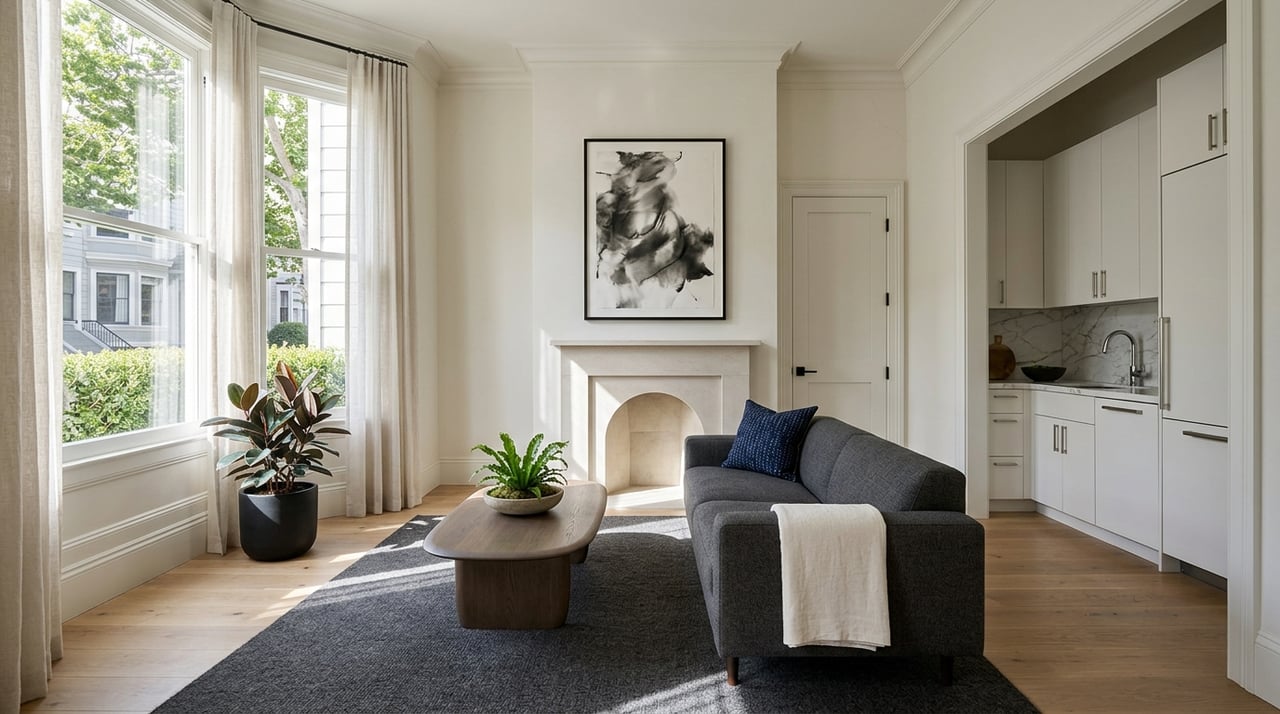
Hayes Valley blends historic flats with modern infill. That contrast gives you real choice as a design-minded buyer. The Market and Octavia planning framework guided many of the newer buildings on former freeway parcels, shaping a pedestrian-first, mid-rise pattern. You can review the area’s planning context in the Market and Octavia Area Plan.
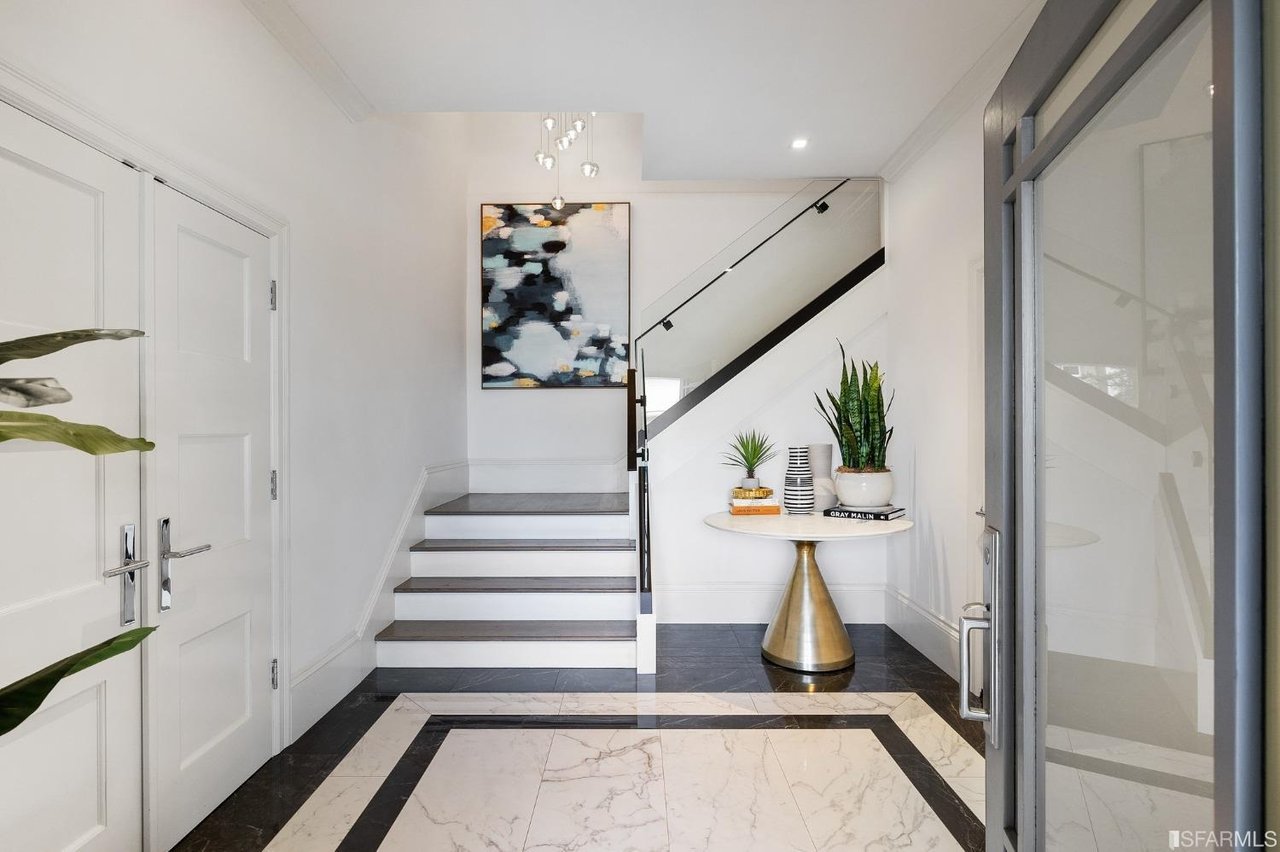
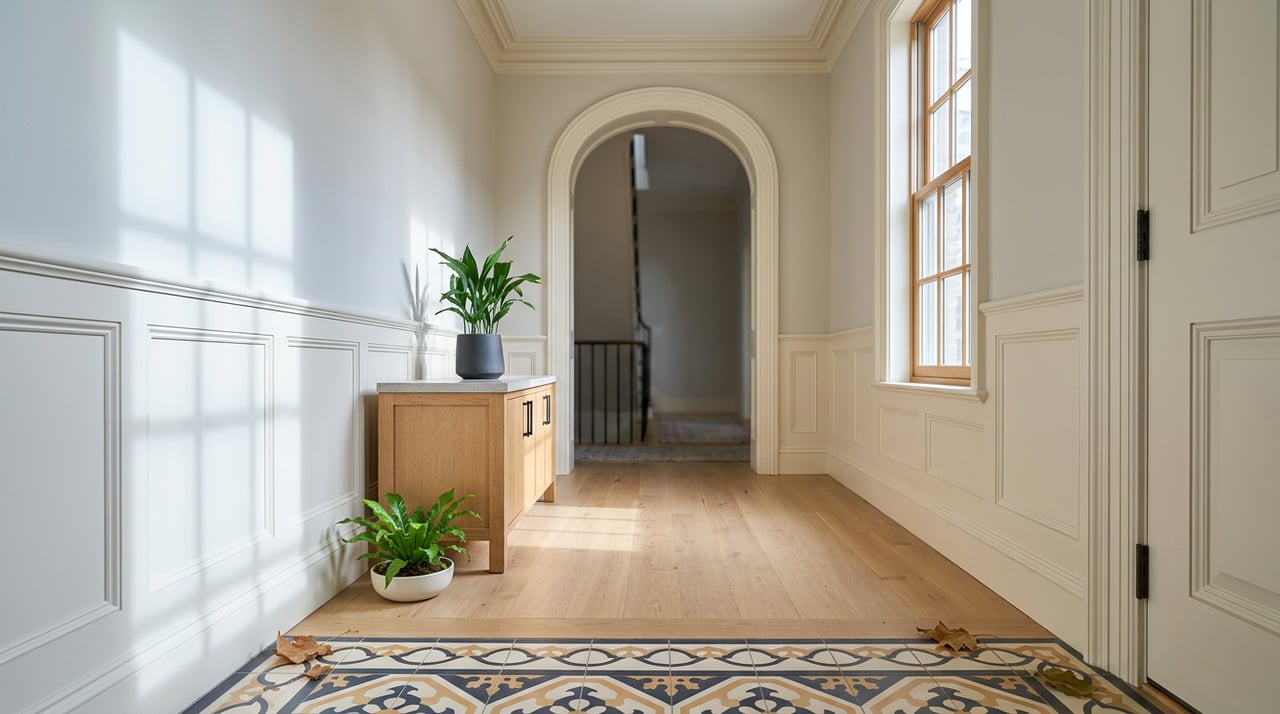
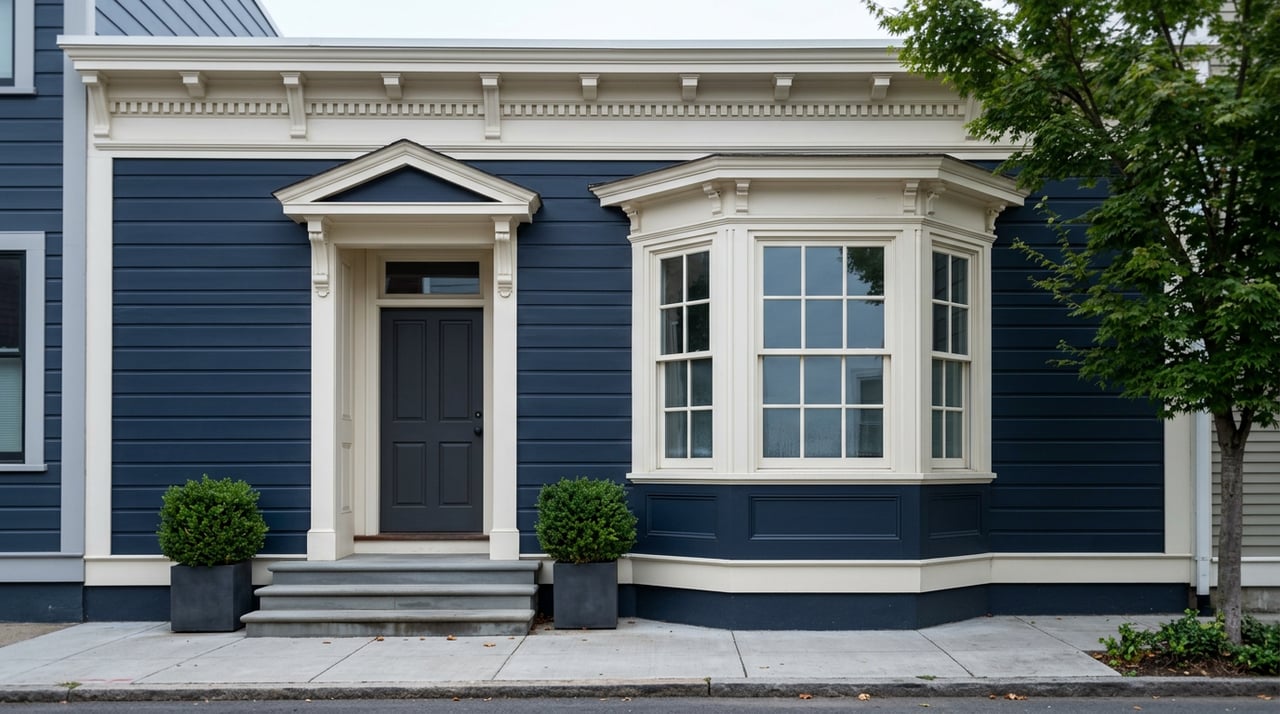
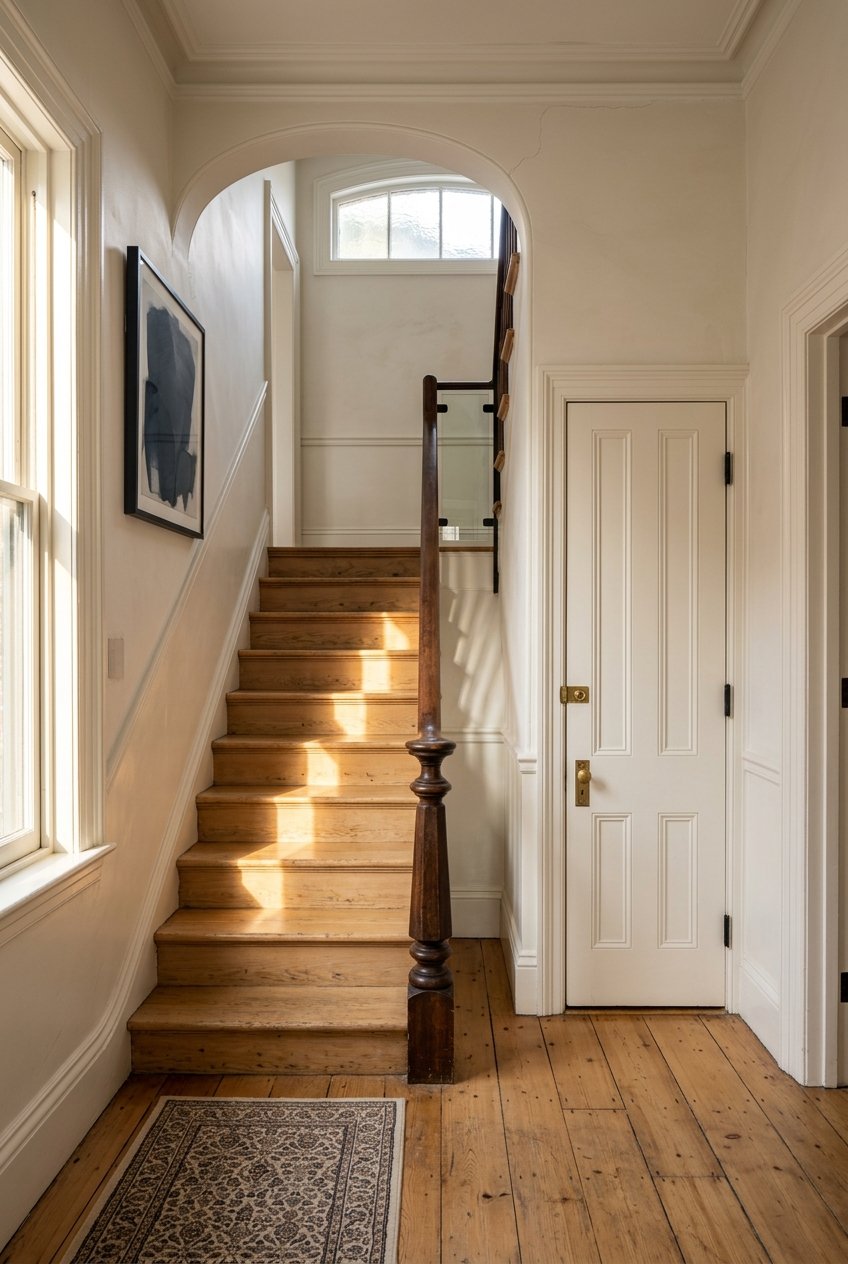
Renovated Victorian and Edwardian flats deliver tall ceilings, bay windows, and decorative trim. You may see compact kitchens or storage compared to new builds, and renovation quality can vary by property. Ask for permit history and scope to understand what was updated and how it affects long-term maintenance.
Newer condos often emphasize open layouts, large windows, and clean finishes. You may find smaller overall footprints and variable storage, plus building amenities that differ widely by address. Parking is not guaranteed and may be limited or absent in some buildings due to the neighborhood’s transit-first framework.
Bring a clear eye to showings. Use this quick list to align the home with your aesthetic and daily routine:
Hayes Valley is one of San Francisco’s most walkable neighborhoods. Walk Score rates it a Walker’s Paradise, with excellent transit and bike access that support daily life on foot or by quick transit connection. See the snapshot on Hayes Valley’s Walk Score page.
Transit and culture pair well here. You are within an easy walk of Civic Center transit and performance venues, so evening plans are simple without a car. For groceries, a Trader Joe’s near Fulton adds convenience alongside specialty purveyors, which reduces the need to drive. Learn about the opening details in this note on Trader Joe’s arrival to Hayes Valley.
Street parking expectations should be realistic. The SFMTA has been evaluating curb regulations and residential permits, including pay-or-permit approaches that affect guest parking and second vehicles. Review the policy details in the SFMTA Hayes Valley evaluation.
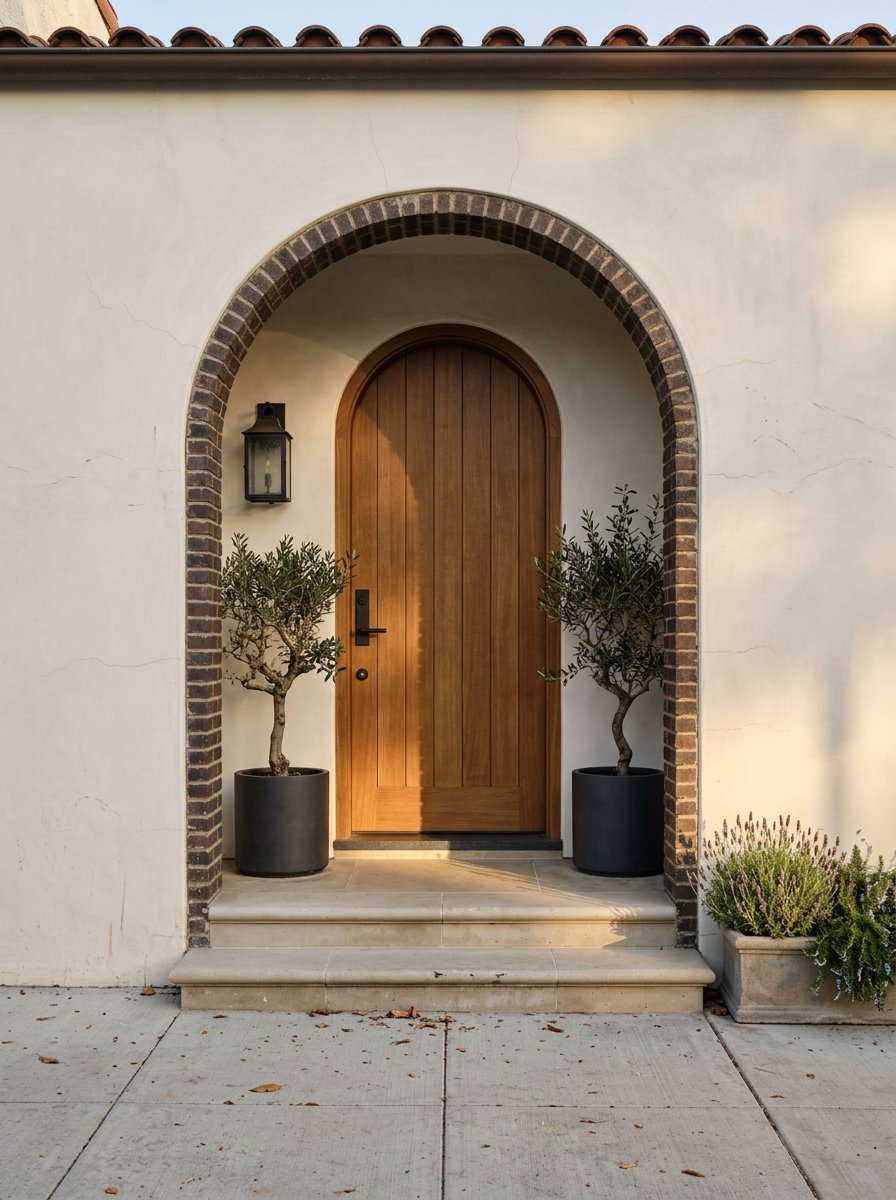
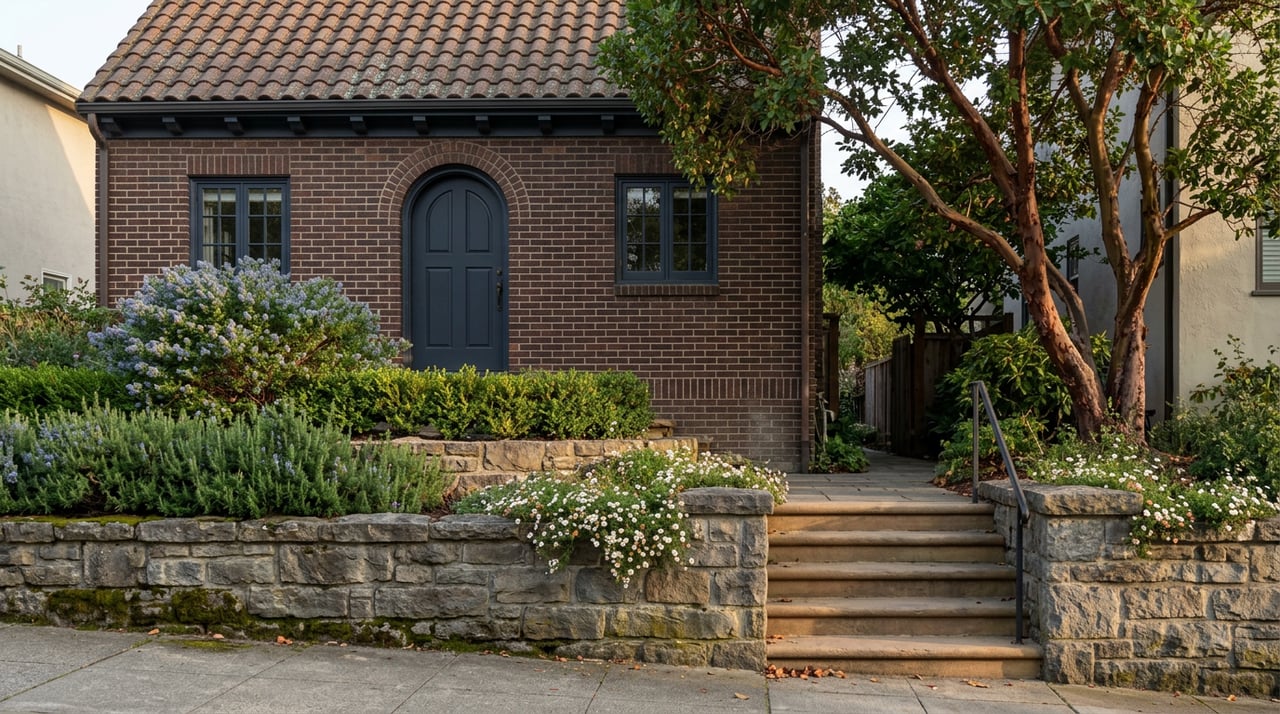
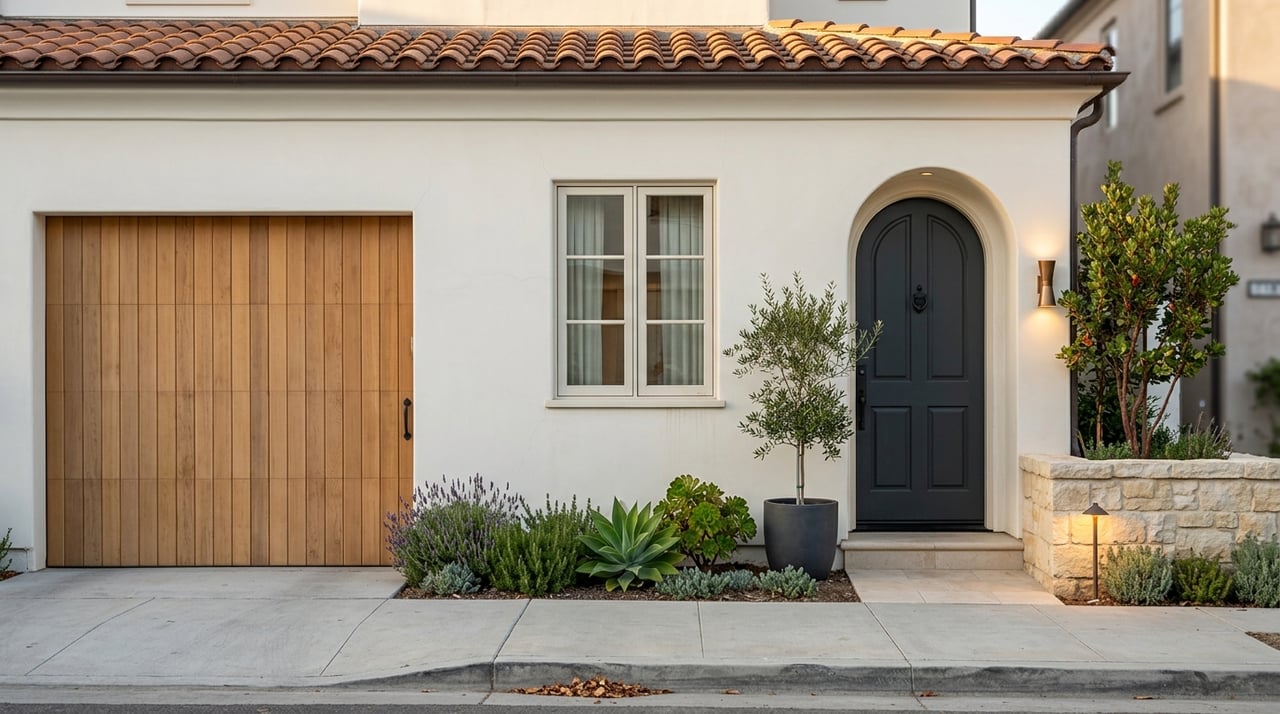
Development in Hayes Valley continues under the Market and Octavia framework, with former freeway parcels delivering mid-rise infill and some affordable housing. That means you will see a mix of architectural vocabularies, from crisp contemporary to contextual brick and stucco. Recent city-supported work, like the 78 Haight project, reflects the neighborhood’s ongoing evolution. For examples and scope, browse the Market and Octavia Area Plan and the city’s note on the 78 Haight groundbreaking.
Retail will continue to refresh. Boutique turnover is part of the neighborhood’s rhythm, so expect new concepts alongside longtime favorites. If you value a fixed roster, focus on lifestyle anchors like parks, transit, and cultural venues that stay consistent.
If you are a design lover, the right Hayes Valley home should feel like a fit on day one. You want beautiful light, a floor plan that suits your furniture and art, and a street that supports your daily rituals. We help you compare classic details with modern minimalism, pressure test HOA health, and understand curb and parking rules before you write.
You also get practical, buyer-first support: curated tours, document reviews, and market context tailored to your goals. If Hayes Valley looks right for your lifestyle, reach out. Book a free consultation with Lucas Sorah to map your next steps.
Stay up to date on the latest real estate trends.
He works tirelessly to ensure that each client, whether buying or selling, realizes the maximum value from their investment.